
How to Modify the Soil pH for Gardening
A soil pH test determines the soil pH, which is a measurement of the acidity or alkalinity of the soil. Your county Extension office can provide you with information on how to test garden soil. Lime can be applied to put the soil into an ideal pH of soil range if the soil test reveals that the soil is excessively acidic.
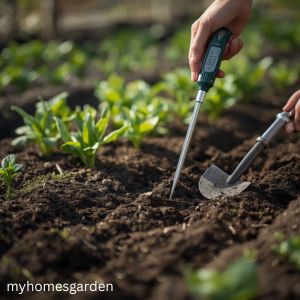
Sulfur is used to lessen the alkalinity of excessively alkaline soil. Neutral soil will have a soil pH of 7.0. Acidic soil is indicated by readings below 7.0, and alkaline soil is indicated by readings over 7.0. In general, vegetable crops favor soil that is slightly acidic, with a soil acidity of roughly 6.5.
Start a Soil Examination
A home gardener’s soil improvement program might begin with the results of the soil test. When you add fertilizer, you are merely speculating unless you are aware of the issues with the soil in your garden. For information on how to test garden soil, contact your county extension director or the horticulture specialist at the county extension office.
The phone line is shared with other county offices, and the Extension office is typically found in the county courthouse. Using a shovel, spade, or soil probe, sample the soil profile down to a depth of 8 to 12 inches. Getting a representative sample of the soil in the root zone, as opposed to only the surface layer, is crucial.
Generally speaking, you should collect multiple samples (at least ten) from your garden area and properly combine them in a clean bucket or pail. This provides a sample that is indicative of the whole garden.
Choose roughly one pint of soil from the bucket or pail. Your county Extension office or fertilizer supplier can provide special soil sample containers. A clean milk carton, ice cream container, or other such product can also be used.
Make sure your name, address, and details on the garden crops to be planted are written on the clean container. Make sure to properly label each sample if you send more than one. Include that area as a distinct sample if you think it differs significantly from the rest of your garden. Make sure the sample is labeled accordingly.
Placement of Fertilizer
When applying fertilizer in a hill or row, it should be positioned three inches to either side and one or two inches below the seed’s depth. It should not come into direct touch with the root system of the plant or the seed. Half of the chemical fertilizer should be plowed or spaded in during soil preparation when large applications (more than 600 pounds per acre) are required.
When planting or transplanting, the other half may be positioned in the rows or hills, according on the situation. Before planting, the fertilizer should be evenly distributed throughout the garden and tilled or spaded into the ground.
Initial Solutions
Using a starting solution when transplanting plants like tomatoes, peppers, eggplants, or cabbage into the garden can give the young plants a supply of readily available nutrients to help them get off to a quick start.
You can buy starter solutions from nearby nurseries or gardens, or you can make your own by mixing a gallon of water with two tablespoons of commercial fertilizer (such as 18-46-0, 12-24-12, 10-20-10, or something similar). As each plant is placed in the garden, give it about a cup of this solution.
Side Dressing
Some vegetables can be dressed with ammonia nitrate, ammonia sulfate, or other nitrogen-containing substances. This is just applying fertilizer next to rows of developing plants.
Because nitrogen is frequently washed or leached out of the root zone area, this will guarantee a supply of nitrogen during the plant’s growth and development. It is especially helpful in sandy garden soils or during periods of heavy rainfall.
Refrain from applying fertilizer to the leaves of the plants. Using a hoe or garden plow, create a tiny trench that is one to two inches deep and apply a side dress material four inches from the plant on either side of the row.
If at all possible, cover the trench with soil, water, and tile fertilizer. Another option is to spread the fertilizer material close to the row and use a garden tiller to incorporate it.

Sweet corn should be side-dressed when it is 12 inches high, or around May 15 potatoes should be side-dressed around May 15; and tomatoes should be side-dressed once the first cluster has set. About three weeks following the commencement of harvesting, side dress the okra. Use no more than one pound for every 100 feet of row.
How to Check the Soil in Your Garden
There are three simple and easy ways to how to test garden soil.
The Peanut Butter Jar Test for Soil Texture
Usually, 20% clay, 40% silt, and 40% sand make up healthy soil. Setup should take around an hour, and completion should take a whole day. Keep a ruler close at hand and locate an empty, straight-sided jar with a lid, like a peanut butter or mason jar.
In the region you wish to test, dig down about 6 inches to root level and remove enough soil to fill the jar between one-third and halfway. After that, fill the jar all the way to the shoulder with water and leave it there. Shake the container vigorously for approximately three minutes after covering it.

Place the jar aside and check your timepiece. Measure the quantity of silt that has accumulated at the bottom using a ruler after one minute. Re-measure the sediment.
The amount of silt in your soil will be shown by the difference between the two figures. In a day, take a third measurement. The amount of clay in your soil will be shown by the difference between the second and third values.
Determine the proportions of clay and sand etc, these should total up to 100%. 20% clay, 40% silt, and 40% sand make up nice, loamy soil. You can choose what to grow with the aid of this easy test: Your soil will drain well if it has a lot of sand.
Acidity or Alkalinity of Soil: The Pantry pH Test of Soil
Put two tablespoons of soil and half a cup of vinegar in a basin. You have alkaline soil if the mixture fizzes. Put two tablespoons of dirt in a bowl and use distilled water to wet it.
You have acidic soil if the concoction fizzes. The soil has a neutral soil pH if it does not respond to either test. Plant nutritional deficiencies or toxicity may arise from extremely high or extremely low soil soil pH. The pH of soil range of 5.5 to 7 is optimal for plant roots to absorb and access nutrients a soil acidity level of 7 is neutral.
Microbial activity is highest at this soil pH. After determining the pH of soil, you can modify it with step-by-step soil pH correction for gardens. Ground sulfur is used to cure alkaline (sweet) soil, while finely ground limestone is used to counteract acidic (sour) soil a practical example of garden soil pH adjustment with lime or sulfur.
The Earthworm Test for Soil Health
The greatest time to look for earthworms is in the spring, when the soil is damp and has reached a temperature of 60 °F. Dig up approximately one cubic foot of soil with a shovel. Break up the soil on a piece of cardboard, then search for earthworms.
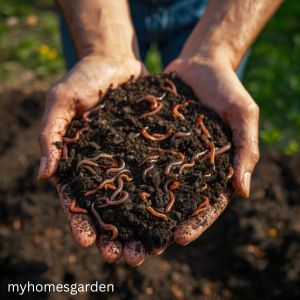
There should be at least ten earthworms if your soil is healthy. Add more organic matter, such as compost, aged manure, and leaf mold, if there are less than ten worms in your soil. Organic matter stimulates beneficial microbial activity, enhances structure, and releases nutrients gradually.
Best Amendments to Change Soil pH
Information about soil preparation from more humid regions may indicate when acid soils should be neutralized. Since almost all Utah soils have an alkaline response, lime is not necessary. Another type of lime is dolomite.
Alkaline soils will not become acidic due to gypsum’s neutral response. It might be marketed as an “alkali fighter.” That alludes to the “black alkali” or high salt soils where crops grow badly, if at all.
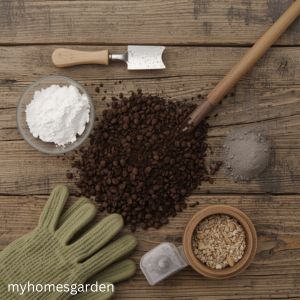
The majority of Utah’s garden soils do not require it. Gypsum will not change the structure of the soil or make it easier to work with. To do that, use biological matter. These are among the best amendments to change soil pH, naturally for your garden, along with how to raise soil pH (acidic soil correction) or how to lower soil pH (alkaline soil correction) methods, depending on your soil test results.
Conclusion
To determine the existing pH of soil range in your garden, a proper soil pH test is the first and most essential step in understanding how to adjust soil pH for gardening and applying accurate soil pH correction for gardens. Making the appropriate amendments guarantees balanced soil acidity, supports optimal nutrient uptake, and helps you maintain the ideal pH of soil for different crops.
Whether you require acidic soil correction and need to know how to raise soil pH (acidic soil correction) using lime, or you need alkaline soil correction and want to understand how to lower soil pH (alkaline soil correction) with sulfur, proper action ensures long-term soil health. A practical garden soil pH adjustment with lime or sulfur can effectively restore neutral soil pH conditions when needed.
By learning how to test garden soil and selecting the best amendments to change soil pH naturally, you can maintain the correct soil acidity level, improve soil structure, and ensure healthy plant growth with better harvests season after season.