
Pest Control: Keeping an Eye on Pest Insects in Your Home Garden
Because they can harm plants and lower output, insects and mites are categorized as pests in effective pest control and garden insect control practices. Controlling these arthropods is not advised because many insects and the majority of spiders found in household vegetable gardens are helpful and support beneficial insects in garden ecosystems.
Mites and insects have the ability to enter gardens and quickly proliferate, making pest control for vegetable garden and backyard pest prevention essential. Throughout the season, inspect plants in and around the garden at least twice a week, paying particular attention to a couple of each cultivar.
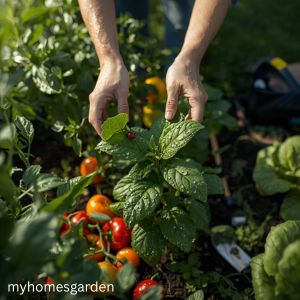
Look beneath leaves, within growing fruit, along stems, and at the base or crown of the plant as a component of monitoring plant health.
Keep an eye out for indications of feeding damage, such as twisted or distorted leaves, holes in fruit or foliage, and insect excrement. To help determine whether insects and/or damage are growing, keep track of the amount of damage each week as part of proper garden pest management and integrated pest management (IPM).
Pest Control for Vegetable Garden: Identifying Common Garden Insects
It can be difficult to identify insects and other arthropods, so familiarize yourself with common nuisance species and to detect extremely small specimens in pest control, use a hand lens with at least 10X magnification.
Once the pest has been correctly identified, it can be categorized based on the kind and extent of harm it does, which is essential for effective pest treatment methods.
Garden Pest Management: Determining the Damage
Damage is categorized based on where and how bugs feed in any pest control for vegetable garden and crop protection strategy.
Chewing Damage in Pest Control
Plant tissue is torn off and chewed by insects with chewing mouthparts. Beetles, caterpillars, and grasshoppers are a few examples of insects that consume fruit or leaves and frequently cause holes in the tissue of afflicted plants, which is a key concern in pest control and leaf damage prevention.
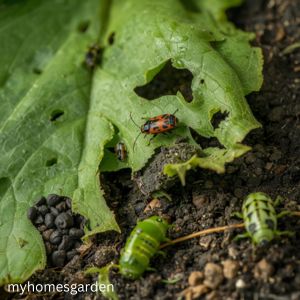
These insects leave behind dark, black, or green excrement (frass) when they defecate on plants and soil.
Sucking Damage and Its Role in Pest Control
Insects with piercing-sucking mouthparts “suck” plant sap and other liquids by inserting their straw- or needle-like mouthparts into plant tissue. Aphids, stink bugs, and squash bugs are a few examples commonly targeted in pest control and sap-sucking insect control.
Many insects that feed in this way excrete a sticky liquid called honeydew, which frequently accumulates on fruit or foliage and produces a glossy residue that could encourage the growth of sooty mold on plants.
Damaged foliage will first become yellow before turning brown, necrotic, or deformed. Although they both consume plant fluids, thrips and mites have slightly different mouthparts.
Pest Control for Vegetable Garden: Understanding Key Pests
The most damaging pests are frequently those that feed directly on the harvested area of the plant, making pest control for vegetable garden and crop yield protection critical. As a result, there is minimal tolerance for these major pests, and when they are present in significant quantities in the garden, they should be managed.
Tomato fruit worm and corn earworm are two examples. Numerous insects and mites consume leaves or unharvested plant components.
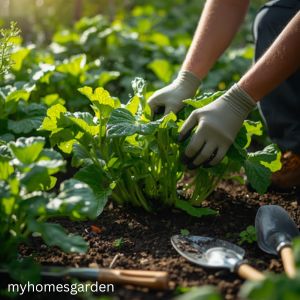
Low quantities of these can be tolerated by most gardeners. Because they draw and support populations of parasitic or predatory insects or mites that also consume and manage important pests, they frequently have a beneficial function in garden pest management and natural pest balance.
You must determine how many of these pests you can put up with, keeping in mind that a lot of them might weaken the vitality of your garden plants and cause damage like leaf curl.
Pest Control Strategies: Preventing and Managing Garden Pests
With effective pest control and preventive pest measures, pests should ideally never become an issue. By choosing crops that are well suited to the soil and climate of the area, pest issues can be avoided.
Additionally, keeping a healthy crop through cultural practices like appropriate fertility and irrigation, which promote organic gardening practices and natural pest control for gardens, keeps pests in check.
Lastly, get rid of pests as soon as possible to stop minor infestations from growing into serious issues. The effectiveness of early pest detection and eradication is improved by pest monitoring. Many tactics can be used if more control alternatives are necessary.
Often, the most effective pest control is achieved by combining control tactics in an integrated pest management approach.
Natural Pest Control for Garden Through Healthy Plant Growth
Plants that develop quickly and vigorously frequently “outgrow” pest damage, which supports natural pest control for garden and eco-friendly pest solutions.
To provide your garden a way to outgrow pest damage, plant the suitable cultivars and keep the soil rich with the right pH and moisture for healthy soil management.
Sanitation Practices in Garden Pest Management
Cultivate the soil to reveal and eliminate bugs that live there, and get rid of rubbish and infested plants that harbor pests as part of garden pest management and garden sanitation practices.
Weed Management for Effective Pest Control
Cultivate the garden to keep undesired plants (weeds) under control, and maintain the garden’s borders mowed and groomed.
Insects that can travel to vegetable plants can use weeds as a host, making weed management for pest control important.
Timing and Traps in Pest Control Strategies
Plant at the right time since many insect pests, such as squash bugs and corn earworms, are less frequent in the early stages of the growth season. Vegetables planted early will frequently “escape” with little to no harm.
Traps, like flat boards placed on top of the ground, are devices that either gather pests or make them congregate. Regularly inspect traps, and gather and eliminate any insect pests found within as part of manual pest removal techniques.
Barrier Methods for Pest Control in Gardens
Barriers include the placement of “cutworm collars” around the stem collar of early transplants to avoid cutworm damage and serve to keep pests out of the crop.
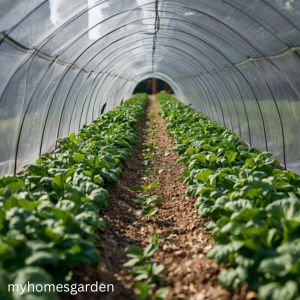
Additional barriers include row covers composed of translucent or transparent materials, like mesh, which lets light and air through while keeping insects out.
Although lightweight woven coverings can rest on the canopy, row covers are usually supported above the plants with hoop frames.
Mechanical Removal in Natural Pest Control for Garden
While small, soft-bodied pests like aphids or mites can be rinsed from plants with a directed stream of water, large insect pests can be removed by hand as part of natural pest control for garden and chemical-free pest control.
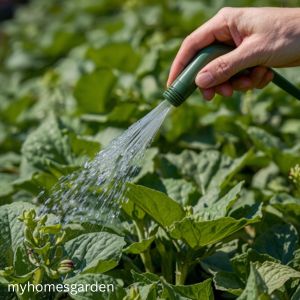
The Jet-All Water Wand and the Water Wand for Spider Mites are two water wands made especially for this use.
Garden Pest Management: Biological Regulation
Many common vegetable pests are attacked by a wide variety of arthropod predators and parasitoids found in Oklahoma gardens, supporting garden pest management and biological pest control methods.
Lady beetles, lacewings, and spiders are a few examples. The best way to use these helpful arthropods is to maintain or increase their population. By avoiding overuse of pesticides and keeping a varied planting that offers supplies of pollen, nectar, and prey, you can support natural pest control for garden and beneficial insect habitat.
Although it is possible to buy beneficial insects from wholesalers and release them in large quantities, this method has not worked well in household gardens. Pathogens harm a variety of insects, decreasing or eliminating their ability to reproduce.
Homeowners can purchase a variety of bacterial and fungal diseases that have been developed into pesticides. Outbreaks of natural diseases happen when the weather is humid and rainy.
Pest Control Solutions: Organic and Synthetic Pesticides
Pesticides are substances that are administered directly to pests or their surroundings with the intention of killing them or interfering with their life cycles in pest control and insecticide application methods. Insecticides are made expressly to eradicate insects and a variety of other arthropods.
Natural Pest Control for Garden: Organic Pesticides
Insecticides that are extracted from plants or come from “naturally” occurring sources are regarded by organic gardeners as appropriate for “organic” production, forming part of natural pest control for garden and organic pest solutions.
Pyrethrum and neem extracts are two examples of botanical pesticides. Sulfur dusts, vegetable and mineral oils, and insecticidal soaps are examples of materials that come from other permissible sources.
Numerous of these substances have been assessed in university experiments, where it has been demonstrated that they have short residual activity and can be somewhat successful in eliminating insect pests. While some of these substances have little toxicity to people and pets, they may be harmful to beneficial insects.
Synthetic Pesticides
Unlike the majority of “organic” pesticides, synthetic pesticides are made utilizing industrial technologies from basic materials and are commonly used in pest control for vegetable garden and chemical pest control methods.
Malathion and carbaryl are two examples of synthetic insecticides that are classified for General Use Purposes, or homeowner products.
In tests conducted at universities, these substances were found to be somewhat successful in eliminating insect pests. The majority may be low to moderately poisonous to people and pets and harmful to beneficial insects.
Homemade Pest Control Spray for Plants: Safe Pesticide Usage Tips
It is the user’s responsibility to read the label and apply pesticides correctly, whether they are synthetic or organic in any pest control routine and safe pesticide handling practices.
Homeowners must follow regulations pertaining to the target crop and insect pest, the amount of time needed between treatment and harvest, and the appropriate safeguarding of people, pets, and beneficial organisms such as fish, bees, birds, and predators (i.e., non-target organisms).
Wear unlined neoprene gloves and keep all items away from your mouth, eyes, and naked skin because both synthetic and organic pesticides can be poisonous and/or irritating.
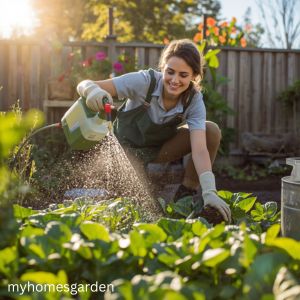
After using insecticides, always give yourself a thorough wash. When it comes to eliminating nuisance insects, the majority of insecticides that are authorized for use around the house are just mediocrely successful.
Directing the spray to the plant surface where the pest is residing or feeding is crucial for achieving the optimum control with these products, including a homemade pest control spray for plants and DIY pest spray solutions.
Additionally, it may be important to check pest infestations two to three days after the initial application and to repeat applications as needed in accordance with label instructions because many pests will continue to hatch from eggs.
Conclusion
Effective pest control is essential to a thriving home garden. By regularly monitoring plants, accurately identifying pests, and understanding the type of damage they do, gardeners may make well-informed decisions that support long-term plant health through proper pest control for vegetable garden practices.
A well-planned approach that includes natural pest control for garden methods, vegetable garden pest control, and garden pest management helps prevent small infestations from becoming serious problems.
Carefully applying pesticides in conjunction with cultural, biological, and mechanical methods ensures a balanced ecosystem where beneficial insects can thrive and harmful pests are kept under control through effective pest control.
Whether you utilize eco-friendly techniques or targeted treatments like a homemade pest control spray for plants, consistency and quick action are essential.
Effective pest control and garden pest management ultimately involves sensible insect control rather than total eradication in order to protect your crops, boost productivity, and create a sustainable and healthy garden environment.
FAQs Section
1. What does home garden pest control entail?
The techniques used to control and minimize dangerous insects, mites, and other pests in a garden are referred to as pest control.
Maintaining a healthy garden ecology, increasing productivity, and protecting plants are all made possible by effective pest control.
2. Why is it crucial to control pests in vegetable gardens?
Because pests can harm crops, lower yield, and compromise plant health, pest control is crucial for vegetable gardens. Early insect control guarantees improved development and higher-quality produce.
3. Which natural pest control techniques work best for gardens?
Promoting beneficial insects, applying insecticidal soaps, using neem oil, keeping healthy soil, and manually eliminating pests are some of the best natural garden pest management techniques.
4. How does pest control in gardens operate?
In order to keep pest populations under control, garden pest management entails keeping an eye on plants, recognizing pests, comprehending the many forms of damage, and using a mix of mechanical, biological, and cultural control techniques.
5. How frequently should I look for pests in my garden?
To effectively prevent pests, you should examine your garden at least twice a week, looking for early indications of damage or infestation in the leaves, stems, and soil.
6. Do all insects pose a threat to pest management?
No, not every insect is dangerous. By feeding on dangerous pests, a variety of beneficial insects, including ladybugs and lacewings, contribute significantly to natural garden pest control.