
Extreme cold warning: Essential Home, Garden, and Safety Guide for Severe Winter Weather
Extreme cold warning indicates extremely low temperatures that can seriously endanger people’s health as well as that of their houses, gardens, pets, and necessary utilities. Unlike a typical winter storm warning, which frequently concentrates on snow or ice, Extreme cold alerts highlight potentially fatal temperatures and wind chills that can cause frostbite, hypothermia, frozen pipes, and power system breakdowns.
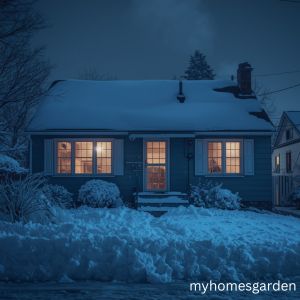
As a result, knowing how to be ready, react, and safeguard your family and home is not only crucial, but also required. In order to protect safety and limit damage, this thorough handbook explains everything homeowners and gardeners need to know, adhering to guidelines identical to those provided by the National Weather Service.
An Extreme cold warning: What Is It?
An Extreme cold warning is issued when temperatures or wind chills are predicted to reach dangerous levels that could result in health issues within minutes of exposure. Although many portions of the United States are susceptible to extreme cold waves, these warnings are more prevalent in northern regions, including areas experiencing Extreme cold warning New York weather.
An Extreme cold alert concentrates on the temperature itself and its effects on people, houses, infrastructure, and outside surroundings, as opposed to a winter storm warning, which emphasizes precipitation threats.
Updates of (NWS) National Weather Service
Beginning at 1 a.m. on Friday and continuing into the weekend, the National Weather Service has issued an Extreme cold warning, predicting subzero temperatures and dangerous frost factor. Temperatures are anticipated to drop far into the negatives.
According to the National Weather Service (NWS), wind chills in Erie, Crawford, Venango, and Mercer Counties could drop as low as 25 degrees below zero during that period and continue to fall throughout the weekend. The warning start at 1 a.m. on Friday.
Venango and Mercer County’s warning will remain in force from 1 a.m. Friday until 10 a.m. Sunday, while Erie and Crawford County’s will be in effect from 1 a.m. Friday until noon Saturday. Because frostbite can occur in as little as 30 minutes in temperatures so low, anyone planning to be outdoors during this period is urged to wear gloves, a hat, a face mask, and layers of clothing.
In addition to checking on elderly family members, acquaintances, and neighbors, the National Weather Service advises keeping pets inside. Temperatures may drop as much as 15 degrees below zero on Saturday night and early Sunday morning after the warning ends, and new Extreme cold warning updates may be issued.
Why Extreme Cold Poses a Risk
The human body and property are both affected by extremely low temperatures. Frostbite can develop rapidly after extended exposure, especially on the nose, ears, toes, and fingers. Furthermore, hypothermia may occur when body temperature falls below acceptable ranges. In the presence of strong winds, these conditions can develop even faster.
Bursts and expensive water damage can result from frozen and expanding water inside pipes. If electrical grids are overloaded, the Extreme cold warning power outage risk increases because heating systems must work harder to maintain warmth.
How to Stay Warm in Extreme cold warning Conditions
“How to stay warm in Extreme cold warning” situations is one of the most frequently searched questions during severe weather. When working outside in extremely cold temperatures, the Centers for Disease Control and Prevention recommend dressing appropriately, working cautiously, carrying a mobile phone for emergencies, and pairing with a coworker or companion.

Employees working in cold conditions or exposed to extreme cold may face cold stress. Severe cold is a hazardous condition that can cause health problems for those out doors or in inadequately heated areas.
Heat escapes the body faster when temperatures drop significantly below average and wind speeds rise, increasing the risk of severe cold-related illnesses.
Indoor Warmth Strategies
Before temperatures drop, ensure your heating system is functioning properly. Routine maintenance improves both efficiency and reliability. Thermal curtains and weatherstripping significantly reduce heat loss.
Wearing layers indoors helps retain body heat. Insulated socks, thermal underlayers, and sweaters all contribute to warmth. Consuming warm beverages and regular meals also aids natural heat production.
Safe Heating Procedures
Avoid using ovens, barbecues, or outdoor heaters indoors, as these can produce dangerous carbon monoxide. Use certified indoor space heaters and keep them away from flammable objects.
Extreme cold warning Safety Tips for Families
Certain individuals are at higher risk during an Extreme cold warning:
- People with predisposing medical conditions, such as diabetes, hypertension, or cardiovascular disease.
- Those taking specific medications, consult a healthcare provider about side effects in cold conditions.
- Older adults, those with poor nutrition, or in weaker physical condition.
Keep Yourself Safe:
- Recognize environmental and occupational factors that increase cold-related illness risk.
- Learn warning signs and symptoms of frostbite, hypothermia, and other cold-related injuries.
- Dress appropriately for windy, damp, and cold weather. Layering, gloves, hats, and moisture-resistant base layers help protect the skin.
- Take short breaks in warm shelters to allow the body to recover heat.
- Perform outdoor tasks during the warmest parts of the day.
- Avoid fatigue; muscles need energy to maintain body heat.
- Consume warm, sugary liquids and high-calorie meals. Avoid alcohol or beverages having caffein.
Monitoring local alerts, such as searching for Extreme cold warning near me, allows for timely responses and preparedness.
How to Preparing Your Home Before Temperatures Fall
Preparation significantly reduces damage and health risks.
Pipe Protection
Frozen pipes are one of the much costly winter issues. Cover exposed water pipes in basements, garages, and crawl spaces. Allow faucets to drip slightly during cold to prevent freezing.
Insulation and Caulking
Add insulation to attics and walls to maintain temperatures inside the house. Close gaps around doors and windows to prevent heat loss,
Extreme cold warning Power Outage Risk
Severe cold increases energy demand, which raises the Extreme cold warning power outage risk, especially during widespread cold waves.

Preparation Steps:
- Keep batteries.
- Extra blankets
- Sleeping bags.
- Charge phones
- Power banks.
- Consider a portable generator, used outdoors in a well-ventilated space.
During outages, close off unused rooms and gather in a single heated area to conserve warmth.
Outdoor Plant Protection
Cold temperatures can devastate gardens.
Covering Plants: Use frost cloths, blankets, or burlap to trap ground heat. Covers them before sunset.
Mulching: Add mulch around plant bases to insulate roots.
Watering Before a Freeze: Moist soil retains heat better than dry soil, offering extra protection.

Vehicle Safety During Extreme cold warning
Cars may fail in severe cold. Keep fuel tanks half full to prevent fuel line freezing. Carry an emergency kit with blankets, water bottles, some snacks, and a flashlight.
Understanding Weather Alerts
People frequently search for Extreme cold warning near me to stay informed. Local forecasts, including alerts from the National Weather Service, provide real-time updates and guidance.
It is important to differentiate alerts:
- Winter storm warning — focuses on snow, sleet, or ice.
- Extreme cold warning — highlights dangerously low temperatures.
Conclusion
An Extreme cold warning is a critical alert demanding awareness, preparation, and immediate action. Proactive steps, from learning how to stay warm in Extreme cold warning conditions to understanding the Extreme cold warning power outage risk, can prevent emergencies.
Households can safely endure even the harshest winter conditions by stockpiling emergency supplies, protecting property, insulating pipes, following Extreme cold warning safety tips, and monitoring updates from the National Weather Service.