
Emergency Frozen Pipes Solutions Every USA Homeowner Needs
Winter across the United States is admired for its beauty, until damage is caused by plumbing problems. One of the most serious home emergencies happen in winter is Frozen Pipes, leading to building damage, broken pipes, water flooding, and expenses running into thousands of dollars. In fact, plumbing failures caused by freezing are among the most common winter insurance claims.
Due to low ambient temperatures, location of plumbing piping in exterior and interior walls are considered a freeze-up risk. Designers typically spend significant effort locating fixtures to ensure that plumbing pipes run through interior walls or within chases.
In the perspective of durability, even piping located within a channel on an exterior wall may be at risk to freezing if enough temperature degradation occurs before the heating system can be restored. It is not unique for pipe channels on the exterior of the building to have a heat source with a local thermostat.
Understanding how to thaw Frozen Pipes, can prevent freezing in cooler areas, and by applying proper insulation you can protect your home even during extreme cold waves. In this article you will get real, practical, and homeowner-tested solutions that work.
Reasons Why Frozen Pipes Are So Dangerous
Water is an unusual substance in a lot of ways. One of the most essential ways it is uncommon is that unlike most other substances, water expands when it freezes. Most of the objects grow smaller and smaller as their atomic energy decreases, but water usually grows and takes up more space.
This can be easily verified by taking a brand-new water bottle and let it freeze, when you pull it out of the freezer, the bottom of the bottle will be puffed out outward due to water’s expansion during freezing.
However, this is the same reason what makes Frozen Pipes so hazardous. When temperatures drop below 32°F (0°C), stagnant water inside pipes begins to freeze. As ice forms, it puffs out by nearly 9%, creating extreme pressure inside the pipe. As water freezes, it needs more space to expand into.
However, if that space runs out, expansion by water does not simply stop; additional space is forced to accommodate it. That means the pressure of expanding water will push against the walls of your plumbing with what could be a enormous amount of force.
Eventually, as most materials become brittle in the cold, the pipe loses its structural integrity and bursts.
Contrary to common belief, Frozen Pipes don’t always burst at the frozen section. Pressure builds between the ice blockage and the faucet, often causing ruptures in unexpected places.
Homes at the highest risk include:
- Older homes having minimal insulation
- Houses in southern states unprepared for rare freezes
- Pipes installed with exterior walls
- Uninsulated crawl spaces and cold basements
- Outdoor faucets
Even 250+ gallons of water per day can be released by a small crack, and drywall damage, mold growth, and flooring destruction can be caused
Early Warning Signs Indicating that Your Pipes May Be Freezing
Acting early can prevent Frozen Pipes. Watch for:
- Faucets produce very little or no water flow.
- Frost buildup on uncovered pipes
- Gurgling or banging plumbing noises
- Unusual foul smells from drains
- Cold spots on walls where pipes run
Tips for Defrosting Frozen Pipes
Knowing how to thaw Frozen Pipes correctly can mean the difference between a simple fix and a burst pipe emergency.
-
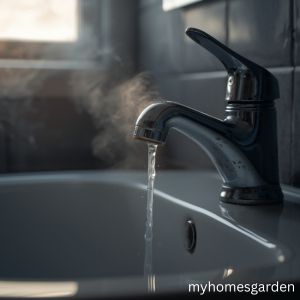
Leave the spigot running slightly
If you doubt that the pipe is frozen, keep the faucet open. As you apply heat to the frozen section, water will start to flow, helping to melt the remaining ice in the pipe.
-
Identify the Main Water Valve of Your Home
Make sure you know that where the main water valve is located in your home. There should be a possibility that the frozen pipe may already be broken, and it will leak when the water is melted. In this case, you will need to turn off the main valve to your home until the leak is fixed.
Apply mild heat to the frozen area of the pipe. This can be achieved by using the following sources of heat:
- Portable heater
- Blow dryer
- Heating pad
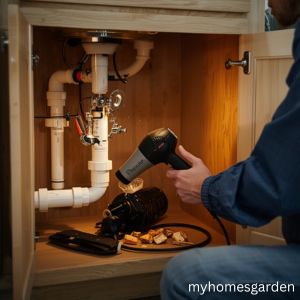
Make sure that power cords do not come into contact with water. Avoid using a
- Propane torch
- Gas-powered heater
- Charcoal stove
- Other open-flame equipment; they present a major fire risk as well as release lethal carbon monoxide fumes into the air.
· Continue Until Normal Water Flow Resumes
Apply heat until full water flow returns. Call a professional plumber if you are unable to find the frozen area.
Inspect all other faucets in your home to find out if further pipes have iced over. If one pipe freezes, other pipes may freeze also.
During a severe Midwest cold snap, I noticed no water in my bathroom sink located on an outside wall. After opening the faucet and using a hair dryer for 25 minutes, water flow returned.
However, I later installed foam insulation and heat tape to prevent repeat freezing, a $40 fix that avoided potential thousands in repairs.
How to Keep Pipes from Freezing Without Heat in Winter
Due to heavy storms power outages are common. So, protect plumbing without heat is a major concern. Many houseowners ask how to keep pipes from freezing without heat in winter?
No-Heat Strategies
- Let faucets drip slowly — moving water freezes slower
- Open cabinets to allow warm air circulation
- Seal air leaks near plumbing with caulk or foam
- Drain water lines for seasonal homes
- Use thermal pipe wraps
These techniques are especially useful in garages, attics, and crawl spaces.
How to Keep Pipes from Freezing on Outside Wall
Pipes in exterior walls face constant cold exposure. Learning how to keep pipes from freezing on outside wall plumbing can prevent emergencies before they happen.
Best Protection Methods
- Install rigid foam insulation behind pipes
- Keep the door of garage closed if there are water supply lines located inside.
- Open cabinet doors of kitchen and bathroom to allow warm air to circulate around the plumbing.
- Keep the heating thermostat set at a consistent temperature 24 hours.
- If you are going out of town during cold weather, always remember to leave the heat on in your home. The thermostat should be set to a temperature no lower than 55 °F, and cabinet doors should be opened.
- If you are going out of town and have a heat pump system is installed in your home, and if the temperature is forecast to be tremendously low, you should switch the setting to emergency heat and reduce the thermostat setting to 55 °F.
- Add pipe sleeves or fiberglass wrap
- Seal all the siding gaps of exterior
- Use heat tape during severe cold
Cold air infiltration through tiny cracks often causes freezing, sealing is just as important as insulation.
Best Heat Tape or Foam Insulation for Water Pipes
Choosing the Best heat tape or foam insulation for water pipes dramatically reduces risk.
Heat Tape
- Ideal for underfloor spaces and basements
- Thermostat- regulated options available
- Prevents freezing in severe temperatures
Always follow producer installation guidelines.
Foam Pipe Insulation
Foam pipes are affordable and easy to cut. They reduce heat loss and best for moderate climates
Maximum Protection Strategy
For highest protection strategy Combine foam insulation + heat tape for exposed pipes in harsh winter regions.
Insulating Outdoor Spigots for Freeze Protection
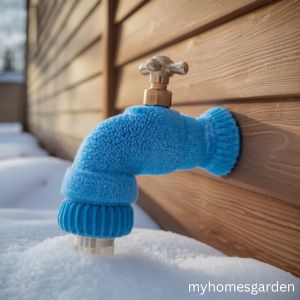
Outdoor faucets are a major weak point. Insulating Outdoor Spigots for Freeze Protection is an easy, cost-effective solution.
Disconnect the garden hoses and shut off interior supply valve and drain the remaining water. Install foam faucet covers and then add insulated faucet socks. This prevents interior pipe bursts caused by ice expansion.
Emergency Actions if a Pipe Bursts
If thawing reveals a leak than shut off the main water supply and turn off electricity to affected areas than drain the faucets. Remove the water with towel or buckets and call a licensed plumber as soon as possible.
Conclusion
One of the most common yet preventable winter emergencies for homeowners in the USA is caused by Frozen Pipes. Rapid Action and quick preventive measures can save thousands of dollars. By learning how to thaw Frozen Pipes safely, you can respond effectively to Frozen Pipes without risking pipe burst and further damage.
Additionally, by understanding how to keep pipes from freezing without heat in winter or on exterior walls you can ensure plumbing protection even during extreme cold spells. Using the Best heat tape or foam insulation for water Frozen Pipes and Insulating Outdoor Spigots for Freeze Protection you can adds an extra layer of security, keeping both indoor and outdoor plumbing safe.
Many houseowners including my experiences show that small actions like drips, proper insulation, and sealing air leaks significantly reduce rupture. Long-term strategies, including routine inspections, smart monitoring systems, and winterization checklists, offer reliable protection and peace of mind.
Ultimately, combining emergency responses with preventive care ensures your home remains warm, functional, and damage-free throughout the harshest winter months, safeguarding your family.
without risking pipe burst and further damage.
Additionally, by understanding how to keep pipes from freezing without heat in winter or on exterior walls you can ensure plumbing protection even during extreme cold spells. Using the Best heat tape or foam insulation for water pipes and Insulating Outdoor Spigots for Freeze Protection you can adds an extra layer of security, keeping both indoor and outdoor plumbing safe.
Many houseowners including my experiences show that small actions like drips, proper insulation, and sealing air leaks significantly reduce rupture. Long-term strategies, including routine inspections, smart monitoring systems, and winterization checklists, offer reliable protection and peace of mind.
Ultimately, combining emergency responses with preventive care ensures your home remains warm, functional, and damage-free throughout the harshest winter months, safeguarding your family.