
Complete Guide to Herbs
Growing herbs at home is one of the most rewarding and practical gardening decisions you can make. The term “herbs” refers to the fresh or dried plant parts that are specifically utilized in cooking to give taste and smell.
They can be eaten fresh as an ingredient in recipes, or their leaves, blossoms, seeds, bark, roots, or entire plants can be dried and kept for later use or processed into value-added goods like herbal tea, sweets, jellies, and flavored oils.
For example, the green or dried leaves of parsley, basil, coriander, oregano, and rosemary are employed in Western and Continental cuisines for their aromatic qualities. In general, the leaves used in cooking can be referred to as culinary herbs.
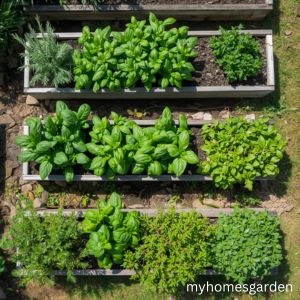
Herbs including rosemary, lavender, chives, mint, chervil, fennel, cilantro, thyme, dill, peppermint, French tarragon, bay leaves, sage, parsley, basil, winter savory, cilantro, oregano, and galangal are used at hotels and resorts in Thimphu.
Whether you are designing outdoor herb gardens or planning compact indoor herb gardens, fresh herbs bring flavor, fragrance, and wellness into life. Moreover, understanding how to grow herbs indoors, learning how to dry herbs, and mastering proper rosemary plant care ensures year-round success.
Classification of Herbs
The herbage can be classified into three different groups based on their growing nature and life cycle
Annual Herb
Those herbage that produce foliage, flowers, and seeds in one growing season and then die back. Such type of herbage grows quickly in the spring, reaching maturity in about two months depending upon the variety. At the end of the season, the plant flowers, set seed and dies as the winter approaches. Example: Basil, dill, coriander, savory, and borage.
Biennial Herb
Those herbs that form leaves in the first growing season, flowers, and seed in the second season and then dies. There are not many biennial herbage. For instance, celery, chervil, parsley, and sage.
Perennial Herb
The herbage that lives more than two growing seasons. Perennial herbage grown from seed may grow slowly in the first year and gain vigor and maturity in the second year. The herb die back over the winter and return in the spring. For instance, oregano, lavender, rosemary, thyme, mint, and fennel.
The Advantages of Home Herb Growing
First and foremost, herbs are low-maintenance plants that adapt well to containers, raised beds, and small indoor spaces. Unlike many vegetables, most culinary greens grow quickly and require minimal effort once established.
Additionally, homegrown herbages are fresher and more flavorful than store-bought varieties. From my experience, harvesting basil directly from my herb gardens before preparing pasta dramatically enhances taste and aroma. Similarly, using a freshly cut rosemary plant sprig while roasting vegetables elevates the dish instantly.
Furthermore, cultivating herbage supports sustainable living by reducing packaging waste and grocery expenses.
Planning Successful Herb Gardens
Herb Gardens are dedicated spaces designed specifically for growing culinary, medicinal, or aromatic herb. These gardens can be established outdoors in backyard plots or indoors using creative herb garden ideas tailored to smaller spaces.
Traditionally, herb gardens featured symmetrical layouts. However, modern gardeners including me now prefer flexible designs that match available space and aesthetic preferences.
Herb Garden Types
- Outdoor Herbs Garden
Outdoor herb gardens flourish in sunny locations with well-drained soil. Most herbage require 6–9 hours of direct sunlight daily.
When creating my first outdoor herb gardens, I grouped plants based on water requirements. Mediterranean herb such as thyme and the rosemary plant prefer drier soil, whereas basil needs more consistent moisture. This thoughtful arrangement significantly improved plant health.
- Indoor Herbs Garden
For those living in apartments or colder regions, indoor herb gardens offer an excellent alternative. With proper lighting and drainage, many herbages thrive indoors.
Common plants for indoor herb gardens include basil, mint, parsley, chives, and the rosemary plant. However, to succeed with how to grow herbs indoors, you must prioritize adequate sunlight or use grow lights when necessary.
Creative Herb Gardens Ideas for Every Space
If you are searching for innovative herb garden ideas, consider the following options. Many of the designs of our modern herb gardens are variations and sometimes copies of the traditional gardens of antiquity. To enjoy the various benefits of herb gardening, however, you do not need a complex layout or a conventional design.
A straightforward row of aromatic herb along a garden path or a few types sown between vegetable garden rows can make a very fulfilling start. Very little room is needed if the herb is planted in the food garden in rows.
Generally speaking, only a few feet of the annuals and five or six plants of the selected perennials will generously provide for the typical family’s necessities.
1. Container-Based Herb Gardens
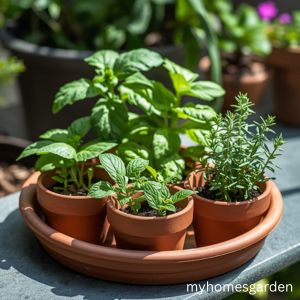
Containers are perfect for patios and small homes. Clay pots are especially beneficial for Mediterranean herbage because they improve drainage. This method works well for both outdoor setups and compact indoor herb gardens.
2. Vertical Herb Garden Ideas
Vertical shelving or wall-mounted planters maximize limited space. These modern herb garden ideas are ideal for urban homes where horizontal gardening space is restricted.
3. Kitchen Windowsill Indoor Herb Gardens
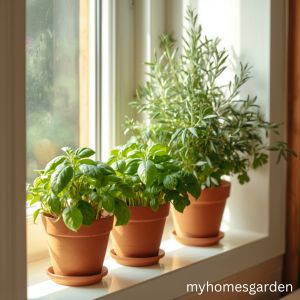
A practical approach to indoor herb gardens is placing small pots on a sunny windowsill. This makes cooking convenient and encourages regular harvesting of fresh herb.
4. Raised Bed Herbs Gardens
Raised bed improves soil management. Many gardeners prefer raised herb gardens because they reduce weed growth and improve accessibility.
How to Successfully Implement How to Grow Herbs Indoors
Understanding how to grow herbage indoors requires careful attention to environmental factors.
1. Light Requirements
The most important aspect of how to grow herbs indoors is sufficient light. Most herbage need at least six to seven hours of direct sunlight. A window facing south works best. When natural light is insufficient, LED grow lights help maintain healthy indoor herb gardens.
2. Soil Selection
When practicing how to grow herb indoors, use high-quality potting mix instead of garden soil. Proper drainage prevents root rot, especially for sensitive plants like the rosemary plant.
3. Proper Watering
Overwatering is a frequent mistake in indoor herb gardens. While basil prefers slightly moist soil, the rosemary plant thrives in drier conditions. Therefore, mastering watering balance is essential when learning how to grow herbs indoors.
From personal experience, adjusting watering schedules based on each plant’s needs dramatically improved my indoor success rate.
4. Air Circulation
Good airflow prevents mold and pests in indoor herb gardens. Occasionally opening windows or using a small fan supports healthy growth.
Rosemary Plant Complete Care Guide
The rosemary plant is one of the most popular perennial herb due to its fragrance and culinary value.
1. Sunlight
A healthy rosemary plant requires full sunlight. Place it near the brightest window indoor. Outdoors, plant it in a sunny area within your herb gardens.
2. Soil Conditions
The rosemary plant prefers sandy, well-drained soil. Heavy soil retains excess moisture, leading to root damage.
3. Watering Routine
Unlike other herbages, the rosemary plant does not tolerate overwatering.
4. Pruning
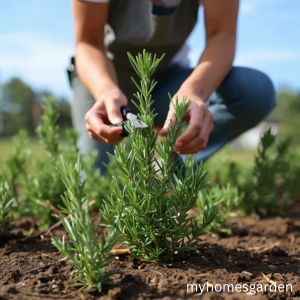
Bushier growth is encouraged by routine pruning. Harvest sprigs frequently, but avoid removing more than one-third of the rosemary plant at a time.
By consistently maintaining my rosemary plant, I noticed stronger aroma and healthier foliage year after year.
Easy Step-by-Step Guide on How to Dry Herbs
Learning how to dry herbs is essential for preserving seasonal harvests. Proper drying extends shelf life while maintaining flavor.
Why You Should Learn How to Dry Herbage?
- Prevent waste
- Conserve any extra harvest.
- Preserve an annual supply
- Save money
Best Methods for How to Dry Herbs
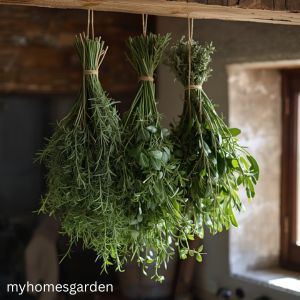
1. Drying Through Air
Air drying is the simplest way to understand how to dry herbs naturally.
- Tie small bundles together.
- Hang upside down in a dry space.
- Wait until fully dry (1–2 weeks).
This method works especially well for the rosemary plant, thyme, and oregano.
2. Drying Through Oven
For quicker results when learning how to dry herbage:
- Place herbage on a baking tray.
- Let the oven’s door ajar.
- Keep a cautious eye out to prevent scorching.
3. Dehydrator Technique
A food dehydrator provides consistent results for those frequently practicing how to dry herbs.
Storage After Drying
After mastering how to dry herb, store them in airtight containers away from sunlight. Properly dried herbage can retain flavor for up to one year.
Common Mistakes in Herb Gardens and Indoor Herb Gardens
Experienced gardeners also face challenges. However, awareness helps prevent failure.
- Overwatering the indoor herb gardens
- Ignoring the requirement for sunshine when growing herb indoors
- Poor soil drainage affecting the rosemary plant
For example, planting mint and a rosemary plant together in the same container once caused imbalance due to differing water needs. Separating them improved overall plant health.
Seasonal Maintenance for Thriving Herb Gardens
Spring
- Plant more new herbage
- Refresh soil
Summer
- Harvest regularly
- Monitor watering
- Implement pruning for the rosemary plant
Fall
- Practice how to dry herbs
- Prepare indoor herb gardens for winter
Winter
- Focus on how to grow herbs indoors
Final Thoughts
In conclusion, cultivating herbs is both practical and rewarding. Whether designing creative herb garden ideas, expanding outdoor herb gardens, building thriving indoor herb gardens, mastering how to grow herbs indoors, preserving harvests through how to dry herbs, or maintaining a healthy rosemary plant, each step contributes to long-term gardening success.
By applying proper care techniques and consistent maintenance, your herbage will flourish year-round. Start small, experiment with different herb garden ideas, and gradually expand your collection. With dedication and attention, your herb gardens will provide flavor, fragrance, and satisfaction for years to come.