
Indoor Plants: A Complete Guide for Healthy, Beautiful, and Clean Home
Indoor plants have become an important part of modern homes, not only for their visual appearance but also for their practical benefits. In this modern era, homeowners, apartment dwellers, and even office workers are highly using indoor plants to improve air quality. Because these plants play an essential role to enhance mental well-being, and bring a natural balance into enclosed spaces.
Additionally, unlike outdoor gardening, indoor plant care needs thoughtful planning. They need proper soil selection, lighting conditions, and fertilization schedules. If plants are correctly chosen and maintained, they can thrive even in small apartments or low-light environments.
In my experience, many homeowners take a start with just one or two plants and gradually build an indoor garden as they see positive changes in their living space. The greenery reduces stress, improves focus, and the calming presence creates a welcoming atmosphere for guests.
Moreover, scientific studies and real-life observations confirm that plants are the major source of indoor ozone removal and clean environment as they help regulate humidity and filter airborne toxins. Ozone is a strong oxidant gas with known injurious health effects. The primary source of indoor ozone is outdoor air, where ozone is formed through photochemistry.
The EPA supervises outdoor ozone levels to be no higher than 70 ppb averaged for an 8-h period. Although ozone may be generated indoors by, e.g., photocopiers or air-cleaners using UV lights or corona discharge, the transfer of outdoor ozone to indoor spaces through ventilation and infiltration is the prevalent indoor source. Ozone can react with different indoor surfaces such as flooring, paints, and metals.
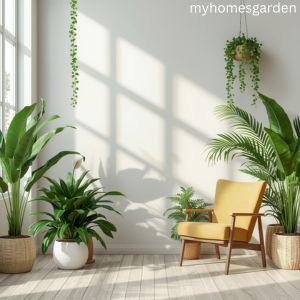
Moreover, these reactions suppress indoor concentrations of ozone, they may also result in the production of byproducts that are more harmful than ozone gas itself. One indoor ozone extraction technique with limited empirical study is the use indoor plants.
Plant research, especially outdoor vegetation, shows their ability to eliminate pollutants including ozone. For instance, Hill stated that a 16” height of alfalfa canopy in chamber tests conducted at ∼ 5 ppm showed extraction of ozone in addition to eliminating other pollutants.
Calfapietra show that nine urban tree species remove ozone, noting that removal increases from 0.5 to 6.5 nmol m−2 s−1 when ozone levels increased from 100 to 300 ppb. For this reason, it is important to understand how to care for indoor plants, as it is no longer a luxury but a sensible lifestyle approach. This comprehensive guide will help you choose the right plants, soil, fertilizer, and care methods to ensure long-term success.
Care for Indoor Plants: Complete Guide for Healthy Plants
Caring for Indoor plants requires consistency, observation, and a basic understanding of plant needs. Environmental factors of light, temperature, and humidity are to a predominantly influenced by how you manage your home environment for family comfort. Other important environmental factors, such as water and nutrient, can be managed exclusively for your plants’ sake.
Additionally, by choosing the best site for each plant and managing the delivery of water and nutrients, it is possible to grow most common Indoor plants in any home. Each plant has its own set of optimal soil and climate conditions.
Moreover, cultivating houseplants is enjoyable and rewarding. The core culture is not difficult, and most plants require only a few minutes of attention every week once their basic environmental requirements are fulfilled. They do, however, require this minimal care on a daily basis.
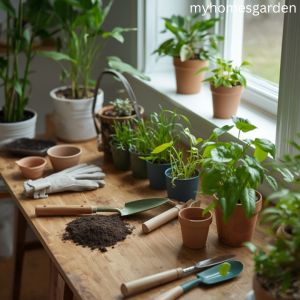
Firstly, watering habits should be adjusted according to plant type rather than a fixed schedule. Overwatering is one of the most common mistakes beginners usually make, because it often leading to root rot. Instead, you should always check soil moisture before watering.
Additionally, Indoor plants grow fast from indirect sunlight, proper air circulation, and occasional cleaning of leaves to remove dust. In my experience, placing plants near windows with proper filtered light significantly improves growth.
Furthermore, rotating plants every few weeks ensures even exposure to light, preventing uneven growth. Temperature stability also plays a crucial role, as sudden changes in temperature from air conditioners or heaters can stress plants. Transitioning into a routine care system helps maintain healthy foliage and consistent growth.
Ultimately, learning how to care for indoor plants is a gradual process, but with patience and attention, even low-maintenance plants flourish beautifully.
Best Soil for Indoor Plants: The Foundation of Healthy Growth
Plants growing in containers or pots require especially prepared soils or growth media. A pot or container-grown plant cannot extend its roots to gather water and nutrients. Choosing the Best Soil for Indoor Plants ensures that potted or container plants use the soil in their pots much more thoroughly than they would if growing unrestricted outdoors.
Additionally, even the most fertile garden soil will not preserve this immersive use for more than a short time. Ready-to-use potting soil mixes are easily available in every garden stores. Some of these commercially prepared container soils are excellent but are economically expensive. If you have only a few Indoor plants, prepared mixes are accessible and probably the most practical.
However, if you grow multiple houseplants, it may be more economical to prepare your own potting soil mixture. Good potting or container soil differs from garden soil. It should contain a much higher proportion of gritty mineral particles to sustain enough pore spaces in the soil for air, water, and root growth.
Moreover, it must have sufficient decomposed plant material to hold water and condition the soil (keep it from compacting). It also must contain enough key nutrients to supply a large part of the plants’ needs. Furthermore, all Indoor plants need enriching fertilizer on a regular basis. Leveraging the Best Soil for Indoor Plants good container soils mixture can be prepared by mixing garden soil, peat moss coarse sand, and perlite or pumice.
Additionally, most potted plants grow quite well in a mixture containing equal parts of all these ingredients if you adjust fertilizing and watering to suit their different needs. You can modify this common potting mixture with additional unrefined mineral material or peat moss to satisfy specific plant requirements.
Indoor Plant Fertilizers: Feeding Plants the Right Way
Plants growing in containers or pots have a limited volume of soil from which to extract mineral nutrients e:g fertilizer. The supply of nutrients completely drained when the plant is actively growing. Restore nutrients regularly. The easiest way is to water them with a solution of soluble fertilizer.
Additionally, many soluble Indoor plant fertilizers are available in garden stores. Since these fertilizers vary in strength (percent of fertilizer nutrients), dilute or dissolve these fertilizers in your watering can. Mix only small amount of solution to water your plants once each time you fertilize. During the long days of the year like Easter to Thanksgiving, when plants are actively growing, fertilize the plants every alternate week.
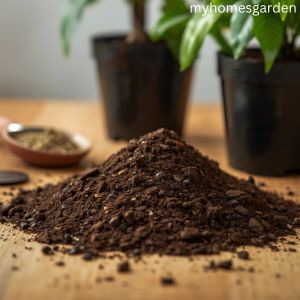
Moreover, during the short days of the year (Thanksgiving to Easter), fertilize only every four to six weeks. If plants are totally inactive, do not fertilize until new growth starts. Here are some hints how to fertilize:
- Slow or time-release fertilizers are a good way to fertilize Indoor plants. Follow label instructions.
- Plants grow best with small amounts of nutrients persistently available.
- Always add fertilizers to moist soil.
- Do not fertilize the plants more than need as the plants can die from too much fertilizer.
- Both organic and inorganic fertilizers are acceptable sources of plant nutrients.
While soil provides the base nutrients, indoor plant fertilizer ensures sustained growth and vibrant foliage. Indoor plants rely entirely on limited soil nutrients, which gradually deplete over time. Therefore, applying fertilizer in controlled amounts becomes necessary.
However, balanced liquid fertilizers, applied once or twice a month during the growing season, are ideal for most houseplants. In my experience, diluted fertilizer solutions prevent nutrient burn and allow plants to absorb minerals gradually.
Additionally, organic fertilizers such as compost tea or seaweed extract offer gentle nourishment. It is important to reduce fertilization during winter when plant growth slows naturally. Transitioning to a seasonal feeding routine helps maintain plant health without overwhelming roots. Ultimately, proper fertilization supports strong stems, greener leaves, and improved resistance to disease.
Indoor Potted Plants to Improve Air Quality
Plants remove a notable amount of pollution from the atmosphere as part of their regular functioning. Plants reduce the potency of greenhouse gases and their outcome on climate change. Apart from air pollution management, decorative greenery has a broad range of uses in reduction of heat build-up, noise pollution and eliminating dust from air.
Additional benefit to grow Indoor Potted Plants to Improve Air Quality gives aesthetic value. However, selection of ornamental species varied widely according to the location, purpose, adaptability to the particular soil etc. Different approach for choice of species should also be done for outdoor and indoor conditions.
Moreover, different plant species vary considerably in their susceptibility to air pollutants. The recognition and classification of plants into sensitive and tolerant groups is important because the former can serve as indicators and the latter functioning as sinks.
Indoor air pollution is a growing concern, especially in urban homes and apartments. Fortunately, some plants are known as the best indoor plants for air quality due to their natural filtering abilities. Plants such as snake plants, peace lilies, and spider plants help remove toxins like formaldehyde and benzene from the air.
In real household environments, placing these plants in bedrooms or living rooms noticeably improves freshness and humidity levels. Furthermore, these plants are low-maintenance, making them ideal for beginners.
Research and personal observation show that even a few well-placed plants can make indoor air feel cleaner and more breathable. While plants should not replace ventilation systems, they serve as a natural supplement to healthier indoor living.
Low-Light Indoor Plants for Your Modern Homes
Not all homes receive sufficient sunlight, especially apartments surrounded by buildings. Fortunately, low light Indoor plants grow well to such conditions. Plants like ZZ plants, snake plants, and pothos grow efficiently in indirect or minimal light. In my apartment living experience, these plants survive well in hallways, offices, and corners away from windows.
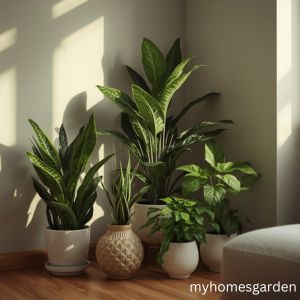
Additionally, Low-Light Indoor Plants require less frequent watering, reducing maintenance efforts. Transitioning to low-light options allows homeowners to enjoy greenery without rearranging furniture or relying on artificial lighting. Their resilience and adaptability make them a practical solution for modern indoor spaces.
Conclusion
Indoor plants are more than decorative elements; they are living companions that enhance health, comfort, and aesthetics. By understanding how to care for indoor plants, choosing the best soil for indoor plants, using appropriate indoor plant fertilizer, and selecting suitable low-light varieties, anyone can create a thriving indoor garden.
The applicability of decorative plants as a technique for air quality management and numerous plant species can be used, based on their APTI value and recommended based on their adaptability for different locations. It is well understood that such these plants are well applicable as a supplementary approach for improvement of air quality and therefore it was felt necessary to adapt such practices in urban areas.
Real-life experiences consistently show that patience, observation, and informed choices lead to success. Whether you live in a spacious home or a compact apartment, indoor plants offer long-term benefits that go beyond appearance.
With the right approach, your indoor garden will continue to grow, improve air quality, and bring lasting peace into your living space.