
What Is Mulching and Why It Is Essential for Healthy Flower Gardens
Mulching, which entails applying a layer of organic or inorganic material to the soil surrounding plants, is an important cultural practice in flower production.
For flower crops, this protective covering provides a number of advantages, including enhancing nutrient availability and preserving soil temperature and moisture to promote healthy plant growth and development, demonstrating many garden mulching benefits.
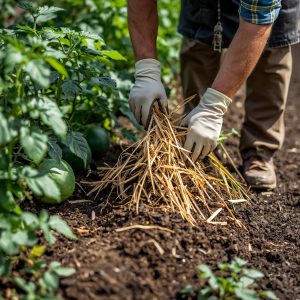
Mulching enhances the soil’s chemical and physical characteristics, suppresses weed growth, increases the soil’s temperature and moisture content, and increases crop productivity while also acting as an effective weed control mulch. Many gardeners rely on proven mulching techniques to achieve these benefits.
Types of Mulches
Stable manure, straw, leaves, and cotton seed hulls are used in organic mulching methods, whereas aluminum foil, gravel, and colored plastic sheets are used in inorganic mulches.
Compost and bark are examples of organic mulches that progressively decompose and add organic matter to the soil, making them popular eco-friendly garden mulch options.
This improves the overall health of the soil, strengthens its structure, and encourages microbial activity as part of important garden soil protection techniques.
How to Choose the Right Mulch for Flower Beds
It is crucial to select the appropriate mulch type for flower beds based on the particular requirements of the plants and the local climate, helping gardeners determine the best mulch for flower beds, especially when applying practical Mulching Tips for Flower Beds.
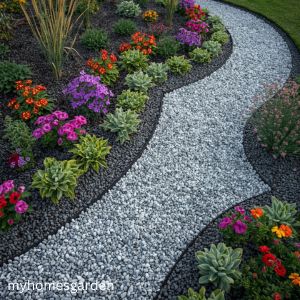
Climate, soil type, and mulch type are some of the variables that might affect the depth of mulch application and replenishment frequency.
Mulching to Control Soil Moisture and Temperature
Mulching helps control soil temperatures by insulating the soil. Mulch keeps the soil cooler in hotter climates and offers some defense against drastic temperature swings in colder climates, which is an essential practice in soil moisture retention gardening.
For flower harvests that are sensitive to temperature fluctuations, this is crucial. Maintaining Mulching regularly ensures these benefits continue for flower crops.
How to Mulch Plants Properly for Stronger Growth and Better Soil Health
When mulching plants that are prone to damping off, like tomatoes or cucumbers, you should wait until the weather has warmed up.
Mulching Trees and Perennial Plants
Understanding how to mulch plants properly helps gardeners prevent excess moisture around delicate stems. Because they are less susceptible to issues caused by moisture, trees and other perennial plants are excellent mulching options.
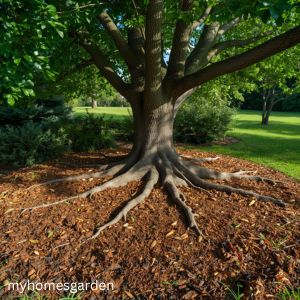
A mowed cover crop topped with phosphorous and potassium rock powders, followed by a layer of manure and a six-inch covering of organic mulch made of leaves, grass clippings, and straw, is the fertility-enhancing tree mulch.
Correct Mulch Placement and Coverage
Depending on the kind of soil, the mulch should reach the edge of the feeder roots, which is 1.5 to 3 times the tree’s crown radius. To allow air to circulate, leave an un-mulched region extending approximately one-third of the canopy’s radius from the tree or shrub’s trunk or stem.
These steps also demonstrate effective mulching techniques used in sustainable garden mulching practices.
How to Mulch a Garden Naturally Using Living Mulch
Making a “living mulch” in flower or vegetable gardens is another way to save water. As the plants grow, they create a canopy that shades the soil and reduces evaporation, reducing the amount of bare land. This strategy is often recommended when learning how to mulch a garden efficiently.
Ensure that a dense planting can be supported by the soil’s richness. Many home gardeners apply these Mulching Tips for Flower Beds when designing productive garden spaces, and similar methods are also useful when selecting mulch for vegetable gardens.
Practical Mulching Tips for Flower Beds and Garden Plants
- Water should be able to reach the soil through organic mulch, thus it should not be laid so thickly that it creates an impenetrable barrier. Compared to sandy soils, clay soils require a thinner covering of mulch.
- To allow air to flow, leave the region close to the plant stem or tree trunk uncovered while Mulching
- While they will draw up some nitrogen from the soil surface as they break down, leaves, grass clippings (combined with other material to prevent them from matting), “chippy” horse manure (manure mixed with straw bedding), straw, or hay make suitable mulch for most plants and represent common organic mulching methods used by gardeners.
- Before you mulch, make sure the soil has been adequately nourished with compost or other sources of nitrogen. Redwood bark and chips are examples of resinous materials that should not be overused since they might eventually become poisonous to plants.
If sawdust and wood chips are added to the soil, layered on the top, or used as mulch for walkways, they will deprive plants of nitrogen.
- Straw mulches work particularly well beneath established melon, squash, and tomato plants. They prevent fruit from coming into contact with damp soil, reduce evaporation, and cool the soil.
This is especially useful during summer mulching for plants and is commonly recommended as mulch for vegetable gardens.
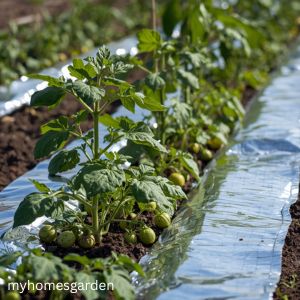
- Roots will typically remain nearer the soil’s surface because Mulching keeps it moist. To keep these shorter roots from drying out, make sure you apply mulch regularly throughout the summer and early fall.
As the temperature cools, remove the mulch to keep the soil warm. These are also useful spring garden mulching tips when preparing soil earlier in the season.
- To deter soft-bodied bugs, some gardeners apply a coating of rock powder or diatomaceous earth underneath mulch. You might have to limit mulching efforts to less sensitive plants if pests continue.
To increase the soil’s ability to retain water, consider digging compost or decomposing leaves into the top few inches of soil instead of Mulching.
Choosing the Right Mulch for Different Seasons and Garden Needs
The color, texture, and durability of mulches vary. Cost, availability, and maintenance requirements are other aspects to take into account. Choose the mulch that best suits the project’s objectives, budget, site, and environmental circumstances. These choices also provide many landscaping mulch ideas for gardens and outdoor spaces.
Summer Mulches for Annual Flowers and Vegetables
Mulches for summer. used for annual flowers and veggies in the spring and summer. These mulches are commonly applied following spring garden mulching tips that help protect soil early in the growing season.
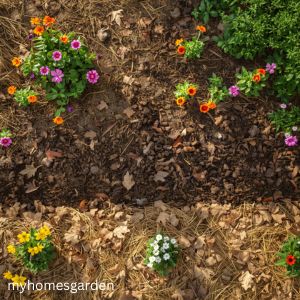
Summer mulches are frequently retained in place throughout the winter to lessen erosion, preserve moisture, inhibit weed development, and regulate soil temperatures.
Winter Mulches to Protect Plants from Cold
Mulches during winter used to shield plants, shrubs, and flowers from harsh winter temperatures and soil heaving. Mid-to late autumn, when the soil has cooled but not yet frozen, is when winter mulches are applied.
Permanent Mulches for Trees, Shrubs, and Garden Paths
Mulches that are permanent employed when mulch is used for paths, when there are no seasonal plantings, and when mulch is needed for a long time in a place that will not be disturbed (such around trees, bushes, and perennial plants).
It might be necessary to refill organic mulch once a year if it is utilized as a permanent mulch. Regular cleaning (blowing off leaves or debris) may be necessary if an inorganic mulch, such as stone, is employed.
Common Mulching Mistakes That Can Damage Trees and Plants
The leading cause of tree and shrub death is increasingly improper Mulching. The following issues arise when mulch is placed incorrectly, either by over-mulching or heaping mulch up against the tree’s trunk.
Error: Mulch Volcanoes and Excessively Thick Mulch Layers
Mulch volcanoes and an excessively thick or thin layer.
Hack: Mulch should be applied no higher than two to four inches, or the heel of a hand. Use 1–2 inches of mulch if you are using double-shredded or finely textured mulch, as these materials let less oxygen reach the root zone.
In search of moisture and oxygen, roots beneath deep mulch or mulch that has grown impermeable will begin to shoot up into the upper surface. Mulch builds a volcano ramp structure that increases drainage when it is piled high around the base of a tree stem, decreases moisture absorption, and raises the possibility of root injury during dry spells.
These recommendations also explain how to mulch plants properly in landscaping projects.
Error: Applying Mulch Too Close to Tree Trunks
Hack: Keep all mulch three to four inches away from the tree or shrub’s trunk, enabling the root flare zone to appear somewhat above the earth. Mulch as well keeps the bark wet around the trunk, making it vulnerable to illness and insects.
Following Mulching Tips for Flower Beds can also help prevent similar mistakes around ornamental plants.
Error: Using Impermeable Materials Under Mulch
The mulch is placed beneath plastic, carpet, or other impermeable materials.
Hack: Simply use landscape cloth or conventional mulch, which are made to be permeable. Using an impermeable material beneath mulch causes plant deterioration and illness because plant roots require oxygen.
Gardeners learning how to mulch a garden often avoid this mistake after gaining experience.
Refreshing Mulch for a Clean and Healthy Garden Look
Finally, if you want a “new” look every season, you may either softly rake the current mulch to get a finished look or add more mulch to reach the recommended 2–4 inches in depth. These seasonal adjustments are also helpful during summer mulching for plants when soil moisture must be maintained.
Conclusion
In conclusion, mulching is essential for gardeners to enhance plant growth, preserve moisture, and improve soil health. By understanding how to mulch plants properly and applying effective mulching techniques, you can enjoy numerous garden mulching benefits, including better soil structure, temperature regulation, and weed control mulch.
Choosing the right mulch organic or inorganic supports eco-friendly garden mulch practices. Following practical Mulching Tips for Flower Beds, along with spring garden mulching tips and summer mulching for plants, helps maintain healthy soil and strong plants. Creating living mulch and proper mulch for vegetable gardens also promotes soil moisture retention gardening.
With careful selection, regular maintenance, and the right strategy, mulching for flower beds and vegetable gardens becomes both practical and rewarding, keeping your garden productive, healthy, and beautiful year-round.
FAQ Section
1. What is mulching, and why is it crucial for plants?
The process of covering soil with organic or inorganic material to control soil temperature, retain moisture, and inhibit weed growth is commonly called mulching.
2. What is the best mulch for flower beds?
Organic mulch such as bark, compost, straw, and leaves is often considered the best mulch for flower beds because it enhances moisture retention and soil structure.
3. How frequently should mulch be changed?
As they naturally break down, most organic mulches should be replaced once or twice a year.
4. What is the acceptable mulch thickness?
For weed suppression and moisture retention, a mulch covering of two to four inches is typically optimal.