
Best Native Plants for US Gardens: Simple, Practical Choices for Gardeners
Gardening is not complicated or exhausting task if done correctly. There are many homeowners across the country who face difficulty with plants that require constant care, too much water, or special treatments just for their survival. That’s why more people are now looking forward for the best native plants for US gardens.
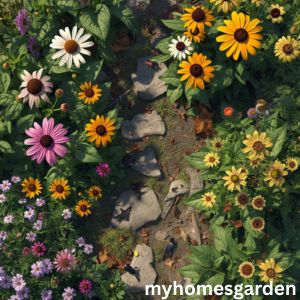
Native plants are naturally suited to local weather, which is essential for their easy growth and maintenance in any circumstances. In my experience, these plants grow faster and stay healthier throughout the year. The best native plants for US gardens have the ability to support local wildlife like birds, bees, and butterflies who recognize these plants as food sources. That’s the reason these plants are gaining popularity.
Once you experience how reliable native plants are, you will never go back to non-native options.
Why Regional Plants Make Gardening Easier
One of the biggest and main reason that the people consider Native Plants over non-native is convenience. These plants easily thrive in local conditions which is helpful and comforting for the gardeners. Regional Plants are adapted to region’s rainfall patterns so they usually need less water.
In my experience, these plants need less attention. They’re also resistant to pests and diseases, because they evolved alongside local insects. Many gardeners reported that these reasons result in fewer plant losses and native gardens begin to look fuller and healthier with a little care.
5 Benefits of Native Plants You Will Notice
Many gardeners often ask, what are 5 benefits of native plants, here’s what I’ve noticed:
- Adapted to Local Conditions – Native plants are naturally adopted to all environmental circumstance of their region, that means they require less water, less maintenance and can grow in harsh weather as compared to non-native species.
- Improve Soil Health – The deep root systems of regional plants prevent soil erosion, enhance water absorption, and they promote beneficial microbial activity, which is essential for the overall quality and fertility of the soil.
- Support Local Wildlife – These plants help maintaining ecological balance in the area by providing essential food, shelter, and nesting habitats for birds, butterflies, bees, and other pollinators.
- Reduce Chemical Use – Native plants usually need less amount of fertilizers and pesticides because they are naturally hardy and pest-resistant, as a result they reduce chemical exposure and protecting the environment.
- Preserve Biodiversity – By planting native species you can conserve regional plant heritage.
Attracting Wildlife With Native Plants in the US
One of the main reasons why gardeners choose native species is learning how to attract wildlife with native plants in the US. Native Plants are the major source of food, shelter, and nesting areas for local animals. The native flowers support bees and butterflies throughout the growing season while shrubs and native grasses provide protection and nourishment to birds.
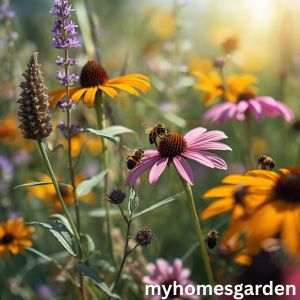
Even in my own small backyard, I noticed that within few months, birds and pollinators had started visiting regularly. You don’t need any special skills to understanding how to attract wildlife with native plants in the US, you just need the right plant choices.
Regional plants make your garden looks like naturally balanced, vibrant, and lively, and they also help to control pests in friendly way.
10 Best Native Plants for Pollinators in the USA
Pollinators play an important role in any garden, and Native Plants are the perfect way to support them. Here are ten of my favorite regional plants for pollinators in the USA:
- Milkweed
- Purple coneflower
- Black-eyed Susan
- Goldenrod
- Bee balm
- Native sunflowers
- Asters
- Blazing star
- Serviceberry
- Wild bergamot
In my small garden, I have noticed that planting the 10 Best Native Plants for Pollinators in the USA leads to healthier plants and even a small area planted with these plants can make a noticeable difference.
Choosing the Best Native Plants for US Gardens by Region
While selecting the right plants for your garden you need to understand your region’s climate, soil type, and rainfall patterns. Each region has different climate, not all plants perform well in all regions. So, it is important to select such plants that suit local conditions.
For example, if you live in arid region you should consider drought-tolerant natives like prairie grasses, desert marigolds, or coneflowers, on the other hand if you live in wetter area you should use moisture-loving species such as cardinal flowers, swamp milkweed, or ferns.
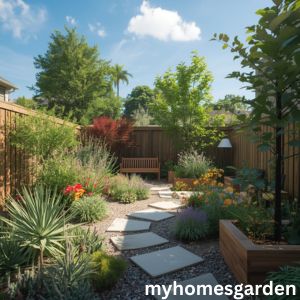
Soil type also plays an important role more than people realize. Plants that grow faster in sandy, well-drained soil may struggle in heavy clay even with proper extra care. From my experience, visiting local extension services, native plant societies, and nurseries makes plant selection far simpler and more reliable.
By thoughtfully selecting regional plants that match the specific needs of your region, you not only ensure healthier, more resilient growth but also create a garden that naturally supports pollinators, wildlife, and the overall ecosystem.
Low Water Native Plants California
Water and soil drainage must be considered together since too much water and poorly drained soils are the most frequent causes of failure in the culture of native plants. This is especially important when growing Low Water Native Plants California, as these plants perform best when excess moisture is avoided. Most natives may be watered freely during their periods of active growth, provided there is no danger of standing water.
A large proportion of natives are tolerant or resistant to drought because much of California experiences long, rainless summers. Any plant that is being transplanted must receive adequate water and attention until the risk of wilting has passed. After that, watering is only necessary to ensure proper growth.
As a general guideline, trees, shrubs, and hardy perennials benefit from deep watering once or twice a month. Soil type, organic matter, and growth rate should always be considered, as sandy or fast-draining soils need more watering than clay soils.
Setting out trees and shrubs that dislike wet soil or mud against their trunks requires special care, particularly when working with Low Water Native Plants California species. If freshly worked soil has not had time to settle, plants may sink below the soil line, allowing water-borne molds or diseases to attack the trunk.
To prevent this, prepare the planting hole a few days in advance, fill it with water, and allow it to drain and settle naturally. For newly planted specimens, create a shallow basin so water flows in slowly, but open the basin during winter.
These practices encourage deep root development and help plants become more drought-resistant. Light sprinkling promotes shallow roots and is not recommended.
Conclusion
Choosing the best native plants for US gardens is one of the smartest decisions I have ever made. Native plants make gardening simple while supporting nature. By understanding what are 5 benefits of native plants, applying how to attract wildlife with native plants in the US, and planting the 10 Best Native Plants for Pollinators in the USA, gardeners can create healthy beautiful thriving outdoor spaces. My experience proves that these plants offer reliability, beauty, and long-term success. You can make your garden healthier and enjoyable with thoughtful choices.