
Emergency Power Outage Checklist Every US Home Needs
Power Outages have become increasingly common across the United States due to extreme weather events, including winter storms, hurricanes, heat waves, and occasional utility grid failures. High winds, especially when combined with seasonal storms, can cause damage to power grid, resulting in service disruptions to large numbers of power customers.
While most such blackout are caused by damage from trees and tree limbs falling on local electricity lines and poles, major Power Outages tend to be caused by damage to power lines, which carry bulk power long distances.
These outages can happen without warning, leaving homes without electricity for hours or even days. While many Americans rely heavily on electricity for daily life, the truth is that lack of preparation can lead to stress, asset damage, and even hazardous situations.
This emergency power outage checklist is designed to help homeowners across the US prepare for unexpected blackouts. By following these steps, you can ensure your family stays safe, warm, and functional during power interruptions.
Moreover, it covers everything from how to survive a power outage at home to preventing costly damage caused by frozen pipes.
Why Every US Home Needs a Power Outage Plan
A Power Outage not only affects just lights, heating systems, refrigerators, water pumps, medical devices, internet connectivity, and even security systems may stop working immediately.
Blackout can impact electricity consumers primarily through property loss and business disruption. Lost orders can result, and damage to perishable goods and inventories can be caused for businesses.
Power Outages can severely affect manufacturing operations mainly through power loss as workers are lazy, and risk harming equipment and production processes. Homes without proper preparation may face risks such as:
- Frozen pipes and water impairment
- Food deterioration in fridge and freezers
- Unhealthy indoor temperatures during extreme weather
- Lack of access to communication and emergency updates
As extreme weather events increase in frequency, power outages are lasting longer, making preparedness a necessity rather than an option. By creating a household plan and having essential power outage supplies, homeowners can reduce anxiety, avoid damage, and maintain normal routines.
Backup Power Supply: Your First Priority
One of the most crucial steps in preparing for a blackout is having a reliable backup power source. During major storms, electricity restoration can take hours or even days. This is where the best portable home generator for power outage situations comes into play.
Backup Power Supply
Many people consider a portable generator to important because they want to be prepared in the event of a Power Outage. For one, having a power backup source will keep food in the refrigerator fresh during a lengthy blackout.
People with medical issues may also need an available power source in the event of a power failure. Oxygen concentrators or other electrically powered medical equipment can be run short-term with a portable generator.
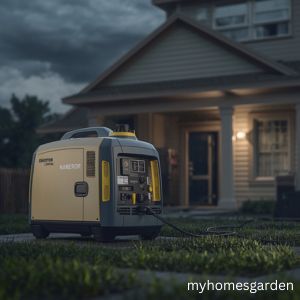
Power might be needed for a room air conditioner as an essential unit for individuals with breathing problems and for elder people during hot weather. With enough generator and proper wiring, a household air conditioner can be powered with a portable generator.
Choosing the Accurate Portable Electric Generator
A portable generator allows homeowners to power essential appliances such as refrigerators, heaters, and medical devices.
- Wattage capacity: Ensure the generator can handle all critical appliances.
- Fuel type: Gasoline, propane, or dual fuel depending on availability and storage.
- Noise level: Low-noise generators help reduce stress during prolonged use.
- Safety features: Look for models with automatic shutoff and surge protection.
Safety Reminder: Always operate portable generators outdoors in a properly ventilated space. Never use them inside garages, basements, or near windows due to the risk of carbon monoxide poisoning.
Emergency Lighting Solutions
During a Power Outage, darkness can create immediate safety hazards. Reliable lighting is essential to prevent accidents and maintain normal activity inside the home.
Recommended Lighting Options
- Battery-powered lanterns for rooms and hallways
- Torches
- Extra batteries stored in an easy-to-reach location
- Rechargeable power banks to keep phones and devices operational
While candles can provide light, they increase fire hazards. Therefore, battery-operated lighting is safer, longer-lasting, and more efficient.

Food Resources
Food and water are essential components of any emergency plan. Food can be kept safe for approximately four hours by refrigerators without electricity, while temperature may be maintained for 24–48 hours by freezers if they remain unopened.
Food Safety Guidelines
- Stock non-perishable foods such as canned goods, rice, dried fruits, and nuts
- Keep a manual can opener for easy access
- Freeze water containers to help maintain freezer temperatures during outages
Water Storage
At least one gallon of water per person per day is recommended to be stored for drinking and sanitation. Additionally, consider water purification tablets for emergencies lasting multiple days. Proper food and water planning ensures your family remains nourished and hydrated during unexpected blackouts.
How to Keep House Warm When Power Out
Maintaining a safe and comfortable temperature indoors is critical, especially during winter outages. Knowing how to keep house warm when power out can prevent hypothermia and other health risks.
Thermal Barrier and Home Preparation
- Homes with spray foam insulation retain heat more effectively, as this material seals air leaks and prevents heat loss.
- Seal windows with plastic film and use draft stoppers under doors
- Close all unused rooms to conserve warmth
Personal Warmth
Dress in layered clothing, use woolen sweaters and use sleeping bags, heavy blankets, and hot water bottles to maintain body temperature. Encourage your family members to stay in shared, insulated spaces to maximize heat retention. These simple measures can drastically improve comfort and safety during extended outages.
How to Prevent Pipes from Freezing in Power Outage
A common problem during winter outages is posed by frozen pipes, and expensive water damage can be caused as a result. Knowing how to prevent pipes from freezing without power is crucial for homeowners.
Pipe Protection
Let the faucets drip slightly to keep water flowing and open cabinet doors under sinks to allow warm air circulation. Insulate all the exposed pipes using foam sleeves or other protective materials. In extreme conditions, shut off the main water valve.
Taking preventive measures ensures your home avoids costly repairs and water damage during prolonged blackouts.
Safe Heating Alternatives
When electricity is unavailable, alternative heating options may be necessary, but safety must remain the top priority.
Recommended Heating Methods
- Indoor-safe propane heaters and fireplaces with proper air circulation
- Battery-powered space heaters designed for emergency use
Safety Warnings
- Do not use charcoal-fired grill indoors and avoid using gas ovens
- Do not bring outdoor propane heaters inside
Install carbon monoxide detectors with battery backup to ensure a safe environment.
Communication Access
Access to information is critical during an outage. Keeping devices charged and having reliable communication tools ensures you stay informed about weather updates, emergency instructions, and restoration timelines.
Essential Tools
- Hand-crank radios
- mobile phones that should be fully charged
- Backup charging devices or power banks
Having a communication plan helps maintain contact with family members, neighbors, and emergency services.
Medical Needs
For individuals relying on medical devices, a power outage can be life-threatening. Maintain an extra supply of medications and keep backup oxygen tanks, CPAP machines, or other life-sustaining devices.
Maintain a list of emergency contacts and local emergency services. You should inform your utility provider if your household depends on medical equipment to ensure priority service.
Sanitary Products
Water outages can disrupt normal hygiene routines, increasing the risk of illness. You should restock moist towelettes and hand sanitizer. Restock garbage bags for waste management.
Use portable toilet solutions or buckets with lids. Proper sanitation ensures your family remains healthy during extended outages.
Emergency Kit
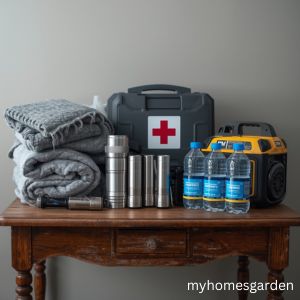
A centralized emergency kit ensures quick access to essential items during a blackout.
Must-Haves
- First aid
- Cash
- Blankets
- Signaling devices
Keeping everything in one place reduces panic and allows you to respond quickly during emergencies.
Preparing Your Home Before Power Outages Happen
Proactive preparation can minimize the impact of a blackout.
Home Preparation Steps
- Install spray foam insulation to improve thermal protection
- Test your portable home generator regularly and maintain fuel
- Replace batteries in flashlights, radios, and detectors annually
- Create a household emergency plan and practice it with family members
These preventive steps increase comfort, reduce risk, and make your home safer during outages.
Conclusion
Power Outages are unpredictable, but with proper preparation, their impact can be minimized. By following this emergency power outage checklist, many homeowners can protect their families, avoid property damage, and stay safe during extreme weather.
From investing in the best portable home generator for power outage to learning how to survive a power outage at home, every precaution matters. Knowing how to keep house warm when power out and how to prevent pipes from freezing without power.
Start building your emergency kit today and implement preventive measures before the next outage strikes.