
How to Make Garden Soil Better for Spring Planting: pH Testing, Timing, and Soil Preparation Methods
For every gardener, spring is a time of renewal and the start of a fruitful growing season. However, garden soil is a vital foundation that needs to be addressed before planting seeds or moving seedlings. Plant vigor, nutrient availability, water retention, and ultimately the success of your harvest is all influenced by healthy soil.
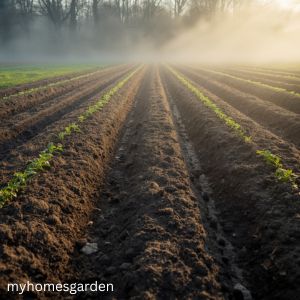
Preparing the soil for planting is arguably the most labor-intensive aspect of vegetable farming. Large gardens frequently require mechanical equipment, such as tractor-drawn plows or rototillers, and it may be feasible to hire someone or rent such equipment.
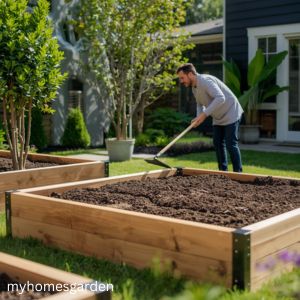
However, a shovel, spading fork, or spade can be used to complete the task in smaller gardens. The kind of roots and vegetation that need to be removed will determine a lot.
In this article, you will get to know how to prepare garden soil for spring planting, the best time to prepare garden soil in spring, important soil pH and nutrient testing for spring garden, garden soil amendments for spring, and proven garden soil prep techniques.
With my examples and expert-backed strategies, this comprehensive guide will help you transform ordinary garden soil into a fertile growing environment.
Why Garden Soil Preparation Matters Before Spring Planting
The garden soil has a significant impact on whether a food and flower garden succeeds or fails. While proper variety selection, high-quality seed, a well-thought-out planting schedule, pest control, and irrigation are all important, the soil is the primary component that determines production and quality.
Physical structure, the amount of organic matter in the soil, the degree of acidity or alkalinity, and the kind and quantity of nutrients available are all factors that impact productivity. If the vegetables and flowers to be cultivated are to yield the most, these factors must all be favorable.
Most of the time, soil pH and nutrient testing for spring garden is not necessary to appropriately adapt the ideal soil conditions for garden crops. Even very heavy fertilizer treatments will not make a garden productive unless the plants can get enough air and water.
Garden soil productivity depends on both physical structure and fertility. Because vegetables and flowers require extremely favorable conditions to grow effectively and be of high quality, garden soil should be better than the ordinary soil in terms of both physical condition and fertility.
Best Time to Prepare Garden Soil in Spring
Timing plays a critical role in effective garden soil prep techniques. The best time to prepare garden soil in spring is when the garden soil is no longer frozen and it has already drained excess winter moisture and makes sure it crumbles easily when squeezed.
When the soil is sufficiently dry to work, turn the ground two-three weeks prior to planting. When spading, completely turn the soil over. To create a deeper root zone, many gardeners engage in “double-digging.” To “double-dig,” remove a 12-inch layer of garden soil with a shovel, turn the bottom 12-inch layer, after that restore the top soil.
It is possible to simultaneously spade under weeds, cover crops, and additional organic materials like animal dung and compost. Before planting seeds, the freshly turned-under organic material must be given enough time to break down and become pretty well rotted.
It is preferable to remove woody plant components from the garden instead of cutting them into the soil, such as sticks, roots, and dry dog-fennel stalks. Similarly, in order to prevent recurring issues, perennial grass and weed pests should be eliminated whenever feasible.
Preparing Garden Soil
Deep, loose, fertile, well-drained, almost neutral, and rich in decomposing organic matter are characteristics of good garden soil. A good gardener may need to make improvements to what they already have because the ideal is rarely available.
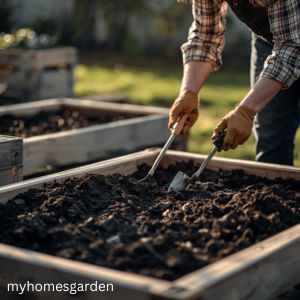
If specific measures are taken to overcome their fundamental flaws, vegetables and other plants will grow well in a variety of garden soil types, from sand to clay.
If you are wondering how to prepare garden soil for spring planting, follow this step-by-step method:
SOIL HAULING
Working with the garden soils you have is usually preferable. Soil that has been hauled in might not be superior to the soil in your backyard. It might be a source of weeds that are toxic to you.
“Fill” may be required if you need to level a yard area or cover a bed of rocks or coarse gravel. It might or might not enhance a space where you want to cultivate plants.
Timing
Many gardeners are impatient and hurry the season, which damages the structure of the garden soil. The soils that gardeners refer to as “gumbo” or “adobe” are typically loams that are too prepared.
To test, take a handful of soil from a depth of three inches. Do not attempt to rototill until the ball breaks. It will be challenging to prepare a proper seedbed and you will encounter hard clods.
You can speed up gardening time by using how to improve garden soil for planting strategies that will be covered later.
Mixing
Spade or rototill to a depth of around 6 to 8 inches once the soil has adequately dried. It is not necessary for garden soil to be “flour-fine.” Crusting will not be as bad as with over-prepared soil if marble-sized particles are left.
To break up clods, you will need to use a rake. For a solid seedbed, level and compact the soil. For even water penetration, the finished soil surface should be as level as feasible.
Enhancement of Soil
Clay soils typically contain more nutrients than light soils and have the capacity to retain moisture well often too well. It is impossible to plant crops early since they dry slowly in the spring.
Irrigation water frequently flows off rather than into the root zone because water penetration is slow. Although sandy soils are simple to work with, plants may experience moisture stress during hot weather due to their limited water-holding capacity.
As irrigation water passes through the soil, nutrients may be lost. The same method adding organic matter can address these nearly opposing shortcomings of both types of garden soil. Coarse organic material has the ability to physically separate fine clay particles.
It is possible to improve sandy soil capacity to hold water and nutrients. The components of the organic matter continue to have qualities that improve garden soil as it decomposes.
Add 2 to 3 inches of organic debris 6 to 8 inches deep to start. This treatment will not last forever, so you should budget for an additional two inches per year. It will take two or three years to notice a significant improvement with thick soil. It will be beneficial to add compost or mulch in the summer.
ORGANIC MATTER SOURCES
Look for cheap, plentiful materials because you will need a lot to complete the task. In the fall, deciduous tree leaves can be collected for garden soil inclusion or composting.
Conifer tree needles can also be utilized. Manures are more likely to carry weed seeds than bark, sawdust, shavings, and other wood products. High in organic matter and slightly acidic, peatmoss is a great material.
One important consideration for the amounts required is cost.
Manure is a great source of organic matter and may be accessible. When utilized in adequate amounts, it may contain significant nutrients if treated properly. It might also contain viable weed seeds that made it through the animal’s digestive system.
Depending on the type, straw might also lead to weed issues. You can use kitchen vegetable waste, green manure crops, and grass clippings. These tissues are primarily composed of water, their cells are immature, and they lack the waxes and lignin that enhance soil over time.
Grass clippings are a great way to mulch the garden soil surface in a garden to prevent weed growth and retain moisture. A ½-inch coating will not become slimy and will dry out fast.
TOUGH CLAY SOILS
In addition to the organic matter, a 2-inch layer of sand will assist you garden in garden soils with a high clay concentration; however, it may be costly and challenging to apply. The small clay particles may behave as cement in low-grade concrete if sand is utilized without organic materials!
AMENDMENTS TO SOIL
Choosing the right garden soil amendments for spring depends on your soil type and test results. Information on soil preparation from more humid regions may indicate when acid garden soils should be neutralized. Since almost all Utah soils have an alkaline response, lime is not necessary.
Another type of lime is dolomite. Alkaline soils will not become acidic due to gypsum’s neutral response. It may be touted as an “alkali fighter.” That alludes to the “black alkali” or high salt soils where crops grow badly, if at all.
The majority of Utah’s garden soils do not require it. Gypsum will not change the structure of the soil or make it easier to work with. To do that, use biological matter.
Best Soil Mix for Spring Planting
Choosing the best soil mix for spring planting is crucial if you are building raised beds or containers.
Typically, a balanced garden soil mix includes:
• 40% topsoil
• 40% compost
• 20% aeration material, such as coarse sand, vermiculite, or perlite
This mixture guarantees:
• Appropriate drainage
This mixture promotes healthy growth and yields reliable results when used in vegetable farming.
Example: Transforming Poor Soil into a Productive Garden
A fellow gardener in my community struggled with compacted clay garden soil. Every spring, plants failed to thrive. After conducting soil pH and nutrient testing for spring garden, she discovered low organic matter and poor drainage.
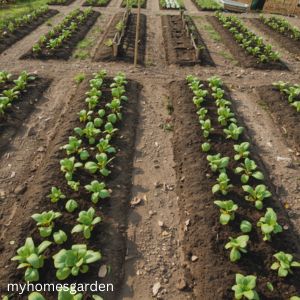
By applying compost annually, incorporating aged manure, and practicing crop rotation, her soil improved significantly within two seasons. Today, her raised beds produce abundant lettuce, peppers, and tomatoes.
Conclusion
Preparing garden soil for spring planting is a foundational step that determines the success of your entire growing season. By understanding the best time to prepare garden soil in spring, performing soil pH and nutrient testing for spring garden, and applying proper garden soil amendments for spring, you create a thriving environment for plants.
Moreover, implementing effective garden soil prep techniques and selecting the best soil mix for spring planting ensures balanced nutrients, improved structure, and optimal drainage.
Whether you are managing clay, sandy, or loamy soil, consistent improvement strategies will produce noticeable results. From personal gardening experiences to community examples, one truth remains clear: investing time in soil preparation always pays off.
As you begin this spring season, focus on strengthening your garden soil first and your plants will reward you with healthy growth and abundant harvests.