
The Complete Guide to Pruning: Pruning Tips for Beginners
Pruning is the methodical removal of parts of a plant with the object to improve its form and to improve growth and cultivation. Pruning involves removal of branches with minimum damage to cambium or growing tissue so that the wound will heal properly in the shortest possible time with the least possibility of wound infection.

In this complete guide, you will learn practical pruning tips for beginners, understand when to prune roses, master how to prune roses, discover when to prune hydrangeas, learn how to prune hydrangeas, apply effective tree pruning techniques, and choose the best pruning shears for long-term success.
Why Is Pruning Important and What Does It Entail?
At its core, pruning is the selective removal of plant parts such as branches, stems, or buds to improve health and growth. However, trimming is more than cutting back overgrown plants, it is a strategic technique that encourages stronger development and higher-quality blooms.
There are several key benefits of pruning:
- Encourages vigorous growth
- Improves air circulation and sunlight penetration
- Prevents disease spread
- Enhances flowering and fruit production
- Maintains plant shape and safety
For example, in my own garden, I once avoided clipping a rose bush for nearly two years. As a result, the plant became overcrowded, airflow was restricted, and fungal disease appeared. However, after implementing proper pruning, the rose bush produced healthier stems and larger blooms the following season.
Clearly, consistent pruning supports long-term plant vitality.
Essential Pruning Tips for Beginners
If you are new to gardening, these foundational pruning tips for beginners will help you gain confidence and avoid common mistakes.
Start with Clean, Sharp Tools
Successful pruning begins with sanitized and sharp equipment. Clean tools prevent disease transmission, while sharp blades ensure smooth cuts that heal quickly.
Understand the Plant’s Growth Pattern
Before starting any pruning, identify whether the plant blooms on old or new wood. This knowledge determines both timing and technique.
Remove the Three D’s First
Every pruning session should begin by removing:
- Dead branches
- Damaged stems
- Diseased growth
This simple step improves plant health immediately.
Cut Above an Outward-Facing Bud
A proper pruning cut should be made at a 45-degree angle, slightly above an outward-facing bud. This encourages balanced, outward growth.
Avoid Over-Pruning
One of the most important pruning tips for beginners is to never remove more than one-third of the plant at once. Excessive pruning can shock the plant and reduce flowering.
By applying these pruning tips for beginners, even first-time gardeners can achieve professional-level results.
When to Prune Roses
The main purpose in trimming roses is to cut out dead and diseased wood, thin out weak and crossing canes, and to head back the more vigorous canes. In the desert region and the hot interior valleys, the clipping is not as “heavy” as was recommended a few years ago. The bushes are being allowed to grow larger and give a more mass display of blossoms.
Understanding when to prune roses is critical for vibrant blooms. In most regions of the United States, the ideal time to prune roses is late winter to early spring, just before new growth begins.
A reliable sign that it is the right time for trimming is when buds begin to swell but have not yet opened. Knowing when to prune roses ensures:
- Stronger stems
- Larger blooms
- Reduced disease risk
If you prune too early, frost may damage new growth. On the other hand, clipping too late can weaken the plant’s energy reserves. Therefore, learning when to prune roses is essential for consistent flowering.
How to Prune Roses Correctly
There has always been a question about how much to cut back a rose bush. All healthy, live canes will produce blossoms from 4 to 6 years or even longer. When canes fail to produce good blossoms, they should be removed by cutting back to the ground and allowing new canes to replace them.
If old canes are left in the bush too long, it may be difficult to get new canes to start near the base of the bush. Examine the plant to see if there are any live, healthy buds near the ground. If not, do not cut the cane below a good bud or lateral branch. Once you understand when to prune roses, the next step is mastering how to prune roses effectively.
Step-by-Step Guide for How to Prune Roses:
- Remove all dead or blackened wood.
- Cut away thin or weak stems.
- Open the center of the bush to improve airflow.
- Trim remaining canes to 12–18 inches high.
- Make angled cuts above outward-facing buds.
Knowing how to prune roses properly encourages strong spring growth. In my personal experience, improving airflow through proper trimming significantly reduced fungal issues and increased bloom size.
When to Prune Hydrangeas
Many gardeners struggle because they do not know when to prune hydrangeas. Timing depends entirely on the hydrangea variety.
Both new and ancient wood can support hydrangea blooms. Therefore, knowing when to prune hydrangeas prevents accidental removal of flower buds.
- For old-wood bloomers: prune immediately after flowering in summer.
- In late winter or early spring, trim new-wood bloomers.
Improper timing is one of the main reasons hydrangeas fail to bloom. Learning exactly when to prune hydrangeas can dramatically improve flowering performance.
How to Prune Hydrangeas the Right Way
After determining when to prune hydrangeas, it is important to understand how to prune hydrangeas correctly.
For Old-Wood Hydrangeas:
- Remove dead stems in early spring.
- Shape lightly after flowering.
- Avoid heavy pruning.
For New-Wood Hydrangeas:
- Remove weak growth.
- Encourage strong new stems.
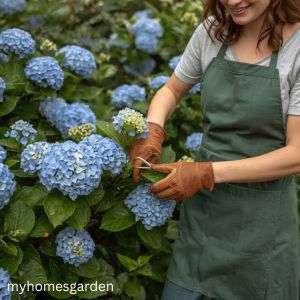
Understanding how to prune hydrangeas ensures vibrant blooms. From my experience, many gardeners mistakenly blame soil or fertilizer when flowering fails; however, incorrect clipping timing is often the real cause.
Tree Trimming Technique
One of the first occasions when a tree may require trimming is when it is planted. The roots were partially killed and disturbed at the moment of transplantation. Relationships between the branch structure and the remaining root system should be established.
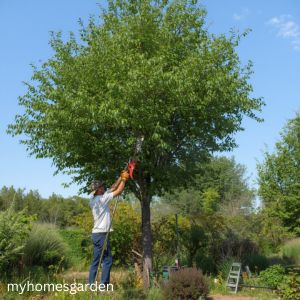
At this stage, clipping involves thinning out, with an emphasis on avoiding weak crotches and branches that cross over one another. Removing a lateral branch at its origin or cutting it back to a lateral that takes on the terminal role is known as “thinning out.”
This type of prune retains the natural shape of a tree. Tree pruning requires precision and careful planning. Unlike shrubs, improper tree clipping can cause structural damage.
Essential Tree Prune Methods:
- Crown thinning
- Crown raising
- Crown reduction
Avoid topping trees, as it weakens the structure and leads to unstable growth. When done correctly, tree pruning improves both safety and appearance. For large trees, professional assistance may be advisable.
Selecting the Best Shears to Prune
Cut little limbs up to 1⁄2 to 3⁄4 inches in diameter with the best clipping shears. For the bigger diameter, the larger shears are employed. There are primarily two varieties to pick from, despite the fact that each comes in various sizes. When used upside down, one with a curved blade with a scissor-like movement works best for close cutting.
The other kind cuts against a flat anvil and has a straight blade. For general prune, the anvil style of clipping shear works well. Do not twist or wrench the trimming shears if the branch is too big for the shears to handle or if you lack the strength to close the clippers and cut the branch. They will be weakened and under stress.

If the branch is too big, use lopping shears, which can cut branches up to 11.2 inches in diameter and provide the cutting blades additional leverage and force to complete the trimming task. Clipping saws are made to cut on the pull stroke and have coarse teeth and narrow blades.
Selecting the best pruning shears is crucial for effective trimming. High-quality tools ensure clean cuts and reduce hand strain.
When selecting the best pruning shears, consider blade material, ergonomic grip, safety locks, and ease of cleaning. In my experience, investing in the best clipping shears significantly improved efficiency and comfort during long trimming sessions.
Common Mistakes
To ensure successful pruning, avoid these errors:
- Using dull tools instead of the best pruning shears
- Ignoring plant type before trimming
- Not making improper cuts
Correcting these mistakes will improve results and prevent plant stress.
Seasonal Overview of Pruning
For effective trimming, follow this seasonal guide:
- Late Winter/Early Spring: Roses, new-wood hydrangeas, tree clipping
- Summer (after flowering): Old-wood hydrangeas
- Timing directly impacts the success of trimming
Conclusion
Ultimately, pruning is both a science and an art. By following proper pruning tips for beginners, understanding when to prune roses, mastering how to prune roses, identifying when to prune hydrangeas, applying how to prune hydrangeas correctly, performing safe tree pruning, and using the best pruning shears, you can confidently maintain a healthy and productive garden.
With consistency and observation, trimming becomes less intimidating and more rewarding. Over time, you will see firsthand how proper trimming strengthens plants, enhances blooms, and elevates your entire landscape.