
Raised Garden Bed: A Complete Guide for Beginners and Home Gardeners
Gardening at home has become more than just a hobby, it is now a practical and rewarding way to grow fresh, healthy food. Among modern gardening methods, the raised garden bed stands out as one of the most efficient and beginner-friendly approaches.
Raised garden bed are an ideal way to grow vegetables and small fruit. They are raised a few inches or more above the surface soil, and just sufficiently wide to reach across by hand. Plants can be clustered in a raised bed with fixed paths on either side. The soil does not get compressed, because there is never any foot traffic on the soil where plants are produced.
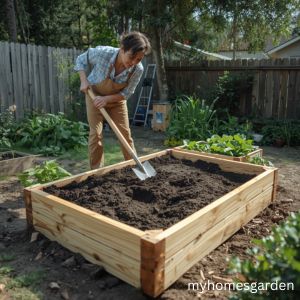
Raised bed garden can range from a simple flat rectangular area of soil to a more detailed bed framed in wood, straw bales stone, mortar, and modern snap-together plastic blocks.
Although more expensive and time-consuming to construct, permanent structures help ensure that soil is retained during heavy rains and contribute to a more attractive appearance in the landscape. Just make sure ample mulch is used on the soil to hold it in place during heavy rains.
In this comprehensive guide, you will learn how to build a raised garden bed, explore creative raised garden beds ideas, discover the best raised garden bed vegetables, and understand the right soil for raised garden beds. This article is especially helpful for raised garden bed for beginners and people using raised garden beds for small spaces.
Top Benefits of a Raised Garden Bed
A raised garden bed offers numerous advantages, especially for home gardeners:
Greater Harvests
Raised beds free up more garden space for plant growth while using less for walkways. Though individual plant yields may be slightly lower with less room per plant than in traditional rows, more plants can be produced in a given area.
Enriched Soil
Soil additives such as compost and fertilizer are only spread on beds. Better drainage is provided by non-compacted soil. Frequent soil cultivation of the garden can be removal.
Efficient water use
Plants grown close together cover the soil, keep roots cooler and decrease evaporation. Water should only provide to the beds and not the sidewalks.
Fewer Weeds
Closely planted crops keep weeds suppressed. Pathways can be covered in landscape fabric or mulch to suppress out weeds.
Prolonged Season
Because raised bed soil heats up more quickly than soil in conventional in ground gardens, it can be worked in the growing season. Since mud is not a problem, labor in the garden is less hampered by rainy weather.
Pest Control
Covering raised bed gardens with insect-screening fabric is simple. Rotating crops from bed to bed is simple and keeps pests from building up.
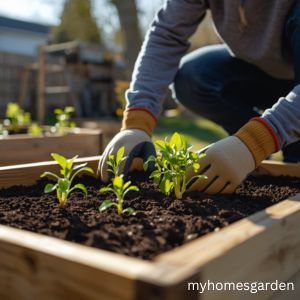
Constructing A Raised Beds Garden
Many houseowners and gardeners often ask how to build a raised garden bed. The tools you need to build a raised bed are a shovel, garden spade, spading fork, rake, twine, four posts, and a tape measure are required to construct an unframed raised bed.
Preparing the Site Before Building Raised Bed
Remove all turf and weeds from the space before constructing a raised bed. It will be necessary to either use herbicide containing glyphosate or solarize (swathed in black plastic for a few weeks) in order to eradicate Bermudagrass lawns.
When the grass is actively growing, either technique must be used. High temperatures will increase the effectiveness of any approach, so late summer is the ideal time to accomplish this. When constructing raised garden beds for limited spaces, where every square inch of growing space counts, careful planning is especially crucial.
Outlining and Shaping the Bed
The corners of the bed are outlined with stakes, and twine is stretched tightly between them.
Creating a Mound-Type Bed
Use a sharp shovel to dig around the edge of the twine if you are creating a basic mound-style bed. This will create a drainage furrow and neatly define the bed’s boundary.
Pull dirt up along the bed’s edges with a steel rake. Flatten the top using the rake’s back side. Beds can also be shaped as described with a rototiller’s hiller-furrower attachment. Tillers can be used to start cultivating beds, and hand tools can be used to finish them.
Preventing Grass Invasion
Within a month of installation, grass will overtake beds next to bermudagrass lawns, so a barrier must be installed. To keep grass out, bury a barrier material three to four inches above the soil level and one foot deep. To maintain clean beds, the surrounding area needs to be kept clear of grass and weeds, just like any food garden.
Improving Soil with Double Digging
Beds can be greatly benefited by double digging, especially in tight clay soils.
The Double Digg Process
The loose top layer of soil should be spaded to one side of the bed. Before replacing the top layer of soil, use a spading fork to puncture and loosen deeper soil layers. More water penetration and aeration are made possible by this.
Work a lot of organic ingredients into the bed while turning the soil. Compost, manure, rotten grass clippings, and other similar things increase the soil’s ability to retain water and nutrients while keeping it aerated and less compacted. As you work the soil, take care to remove any clusters of rocks and weedy grasses. This strengthens the soil’s structure for raised plant beds, improving nutrient retention and drainage.
Choosing and Maintaining Suitable Soil
Gardening is not supported by some soils, such as heavy clay soils.
A good sandy loam soil or bagged topsoil may need to be added to fill the beds. Proper soil mix is critical for success in raised garden bed vegetables production.
The high temperatures in Oklahoma cause organic materials to degrade quickly. Every spring and fall, the addition of a two-inch layer of compost or other organic materials should be scheduled. The organic matter needed in the soil is replenished by this.
Finishing Touches After Bed Construction
Stakes should be left in place to direct water hoses around corners once the bed is completed. Garden hoses can roll around corners with the aid of old pipe segments that have been placed over posts.
Constructing a Framed Raised Beds
When constructing framed beds, level the ground first and build the frame before filling with soil. Many homeowners explore creative raised garden beds ideas, including framed wooden beds, stone borders, or decorative brick designs that enhance landscape appeal.
A raised garden bed layered with compost and soil forms a highly fertile growing environment.
Materials for Framed Beds
Framed beds can be made with:
- Handled timber
- Timbers used for landscape treatment
- Bricks or rock
- Repurposed materials
While pressure-treated wood available today does not contain the same toxic chemicals as in the past, use caution when sawing or drilling. Wear protective clothing such as dust masks and unlined rubber gloves, and avoid breathing sawdust.
Redwood or heart cedar can be utilized if money is no object, but when exposed to soil, they will rot more quickly than treated lumber.
Best Soil for Raised Gardens Bed
Choosing the correct soil for raised garden beds is essential. Unlike native soil, raised beds rely entirely on what you add.
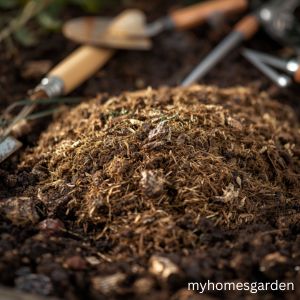
A recommended mix includes:
- 40-50% topsoil
- 40-50% compost
- 20% organic matter like coconut coir or peat moss
This blend ensures:
- Proper drainage
- Good aeration
Adding compost every season maintains fertility.
Raised Garden Bed Vegetables to Grow
Selecting appropriate raised garden bed vegetables ensures optimal productivity.
Selecting Suitable Varieties for Raised Beds
Special vegetable varieties are not required for raised bed gardening; however, compact or dwarf types allow for better space utilization and potentially larger overall harvests. Spreading crops such as melons and cucumbers require ample room to grow.
These plants can be trained vertically on wire or string trellises to conserve space, or bush-type varieties may be chosen. It is important to note that bush varieties generally produce lower yields compared to vining types.
Placement of Tall-Growing Crops
Tall crops, including corn and okra, can be successfully grown in raised beds when properly positioned. These plants should be placed on the northern side of the garden to prevent shading shorter vegetables.
Corn is a heavy nitrogen feeder; therefore, it is beneficial to plant a nitrogen-fixing legume, such as snap beans, afterward to restore soil nutrient balance.
Efficient Bean Production
Pole beans are highly suitable for raised bed systems and can be intercropped with fast-growing, low-growing vegetables such as lettuce, radishes, and Chinese cabbage. Bush beans can be planted in double-wide rows to increase productivity within the limited growing area.
Tomato Support and Variety Selection
Tomatoes grown in raised beds require staking or caging to support healthy growth and fruit production. Choosing disease-resistant varieties reduces the need for chemical treatments and improves overall plant health.
Managing Perennial Vegetables Separately
Perennial vegetables such as asparagus, rhubarb, horseradish, and certain herbs should be planted in a dedicated garden area. During their establishment period, short-season annual vegetables can be planted between them to maximize space use.
Small Fruit Crops in Raised Beds
Small fruit crops including strawberries, blueberries, blackberries, and raspberries thrive in raised beds due to improved drainage and soil management.
Understanding Plant Spacing in Raised Beds
Traditional row spacing does not apply in raised beds. Instead, plants can be spaced evenly in all directions. This method is especially effective in raised garden beds for small spaces, where maximizing productivity is essential.
Long-Term Advantages of Raised Bed Gardening
Although the initial effort of learning how to build a raised garden bed may require time and labor, maintenance becomes significantly easier in subsequent seasons. Simply turn the top few inches of soil each year is far less demanding than re-tilling a large conventional garden.
For a raised garden bed for beginners, this system offers manageable upkeep, fewer weeds, healthier plants, and higher yields. Over time, gardeners experience improved crop quality, better soil structure, and more enjoyable gardening seasons.
Raised Garden Beds Ideas for Modern Homes
Creative raised garden beds ideas can enhance both productivity and aesthetics:
- Tiered beds for decorative landscaping
- Vertical trellis beds for climbing plants
- Elevated beds with legs for balconies
These ideas work well in suburban homes and urban environments alike.
Raised Garden Bed for Compact Space
Urban gardeners often struggle with limited land. Fortunately, raised garden beds for small spaces provide a perfect solution.
Compact beds can be placed on patios, rooftops, or along fences. Vertical supports allow more crops in less area. Even a 3×3 feet bed can produce enough vegetables for a small family.
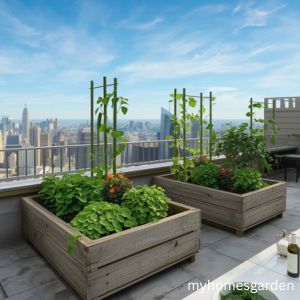
I once helped a friend install two small raised beds on a balcony, and they successfully grew tomatoes, lettuce, and herbs all season.
Raised Garden Bed for Beginners
A raised garden bed for beginners simplifies gardening in many ways:
- Soil conditions are controlled
- Watering is predictable
- Fewer weeds appear
- Plant spacing is organized
Beginners often gain confidence quickly after seeing healthy plant growth in the first season.
Watering and Maintenance Tips
Proper care ensures long-term success:
- Water deeply
- Mulch to retain moisture
- Rotate crops annually
- Add compost each season
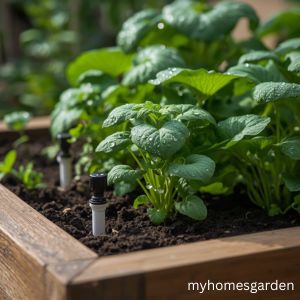
Transitioning to drip irrigation can save time and water.
Common Mistakes
Even many experienced gardeners can make errors:
- Using poor soil mix
- Overcrowding plants
- Ignoring sunlight requirements
- Overwatering
Why Raised Garden Bed is Worth the Investment
Although initial setup requires effort, the long-term benefits outweigh the cost. A raised garden bed produces healthier vegetables, reduces labor, and improves garden organization.
Home gardeners often report higher yields compared to ground planting. Personally, raised beds transformed my gardening results, especially with tomatoes and leafy greens.
Conclusion
A raised garden bed is one of the best solutions for modern home gardening. It supports better soil control, easier maintenance, and improved productivity. By learning how to build a raised garden bed, selecting the right soil for raised garden beds, and choosing suitable raised garden bed vegetables, gardeners can enjoy fresh produce throughout the season.
Whether you are exploring raised garden beds ideas, working with raised garden beds for small spaces, or starting as a raised garden bed for beginners, this method offers reliable success and long-term rewards.