
Vegetable Garden: A Complete Guide to Growing Healthy Food at Home
Planting a vegetable garden is an American hobby that is now rapidly regaining popularity. A lot of people grow their own garden for economic savings and some for environmental reasons. Many people choose to grow their own vegetable garden for the pure pleasure of watching their plants grow and develop, and gaining the flavorful benefits of their harvest.
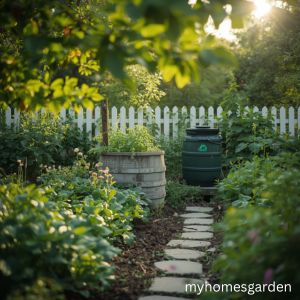
If money is tight, some of your own vegetables may be grown to provide your family with tasty, nutritious food at a tiny portion of the cost. The space or time required to fully supply a family’s vegetable needs is not available to most people, but some favorite vegetables that grow well in our dry climate can still be grown to help reduce the “bite” out of the weekly budget.
This comprehensive guide explains how to start a vegetable garden, highlights small vegetable garden ideas, and discusses common vegetable garden mistakes to prevent. Whether you are planning a vegetable garden for beginners or improving an existing one, this article covers every essential step.
Why Growing a Vegetable Garden Is a Great Idea
Before you grab a trowel, it’s worth understanding why vegetable garden is such a powerful and rewarding pursuit. Store bought produce often travels long distances before it reaches your plate, losing nutrients and flavor along the way, while home-grown vegetables can be enjoyed at their nutritional peak bursting with vitamins and natural sweetness.
Additionally, growing your own food is also a meaningful step toward sustainability, reducing your carbon footprint by cutting transportation emissions and packaging waste, and encouraging eco-friendly practices such as composting and water conservation.
Beyond environmental benefits, a home garden supports food security and helps lower household expenses, as even a small space can yield fresh vegetables throughout the season.
Gardening also nurtures the mind and body; it offers gentle physical activity and serves as a therapeutic escape, with research showing that stress can be reduced and mood can be improved by spending time in green spaces.
From my experience, many home gardeners find that growing even simple crops like tomatoes and spinach significantly lowers monthly vegetable costs. For instance, a small family garden can supply herbs, leafy greens, and seasonal vegetables for several months.
Vegetable Garden Growing Steps
Understanding how to start a vegetable garden is crucial for beginners. Although gardening may seem complex, following structured steps makes the process manageable.
Plant Variety Selection
The first deliberation in starting your garden is climate. Climate decide what you can grow and which vegetable varieties are best for your area. In particular, the timeframe for growing non–frost-tolerant (warm-season) vegetables is determined by your no-frost period, which is the average number of days between the last spring frost and the early fall frost.
With the days to maturity information for each crop you wish to plant combined with this information, the best vegetable cultivars for your garden can be decided upon.
Choose the Right Location for Vegetables
Like any worthwhile project, success in gardening starts with careful planning. Choosing the right location is essential, as most vegetables require at least six hours of sunlight per day; take time to observe your yard, balcony, or patio to find a well light area that is also sheltered from strong winds.
Even if outdoor space is limited, many vegetables can still thrive in containers or on sunny window ledges with the proper care. Additionally, knowing your growing zone will help you choose plants suited to your climate
Decide Between Ground or Raised Beds
Many gardeners prefer raised beds because they offer better soil control. Learning how to build a raised bed garden can improve plant growth and reduce weeds.
Plan Your Layout
Before planting, sketch your vegetable garden layout. Keep tall plants on the north side to avoid shading shorter crops.
Start Small
A key principle of a vegetable garden for beginners is to begin with a manageable size, since one of the most common beginner mistakes is planting too much too soon.
Beginning with a modest plot, such as a 1×2 meter raised bed, or a few large containers for herbs and compact crops like lettuce or radishes.
Best Soil for Vegetables Growth
The best soil for vegetable garden success is rich in organic matter and well-draining. Healthy plants begin with healthy soil, making soil preparation one of the most important steps in gardening. If you have a backyard, start by testing your soil using an inexpensive kit to check pH and nutrient levels, as most vegetables grow best in slightly acidic to neutral soil (pH 6–7).
Loosen compacted areas and mix in organic compost or well-rotted manure to improve fertility, drainage, and microbial activity. If your native soil is poor or you are gardening on a patio or paved area, raised beds are excellent alternatives.
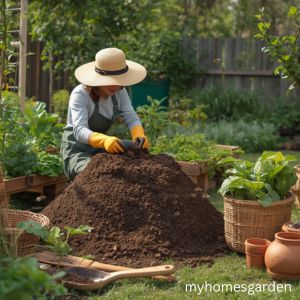
Raised beds offer improved drainage and easier maintenance, while containers can support a wide range of crops, from tomatoes to greens and carrots.
Just be sure that any pot has proper drainage and is filled with a high-quality potting mix rich in organic matter to support strong, productive plants.
Best Fertilizer for Vegetable Garden Productivity
Using the best fertilizer for vegetable garden plants ensures steady growth. Fertilizers can certainly boost plant growth but using too much can harm both plants and long-term soil health, so it is best to focus on natural sources of nourishment.
Compost is one of the most valuable soil amendments, providing a balanced supply of nutrients while improving soil structure and moisture retention. Organic fertilizers made from materials such as seaweed, bone meal or worm castings can also support healthy growth.
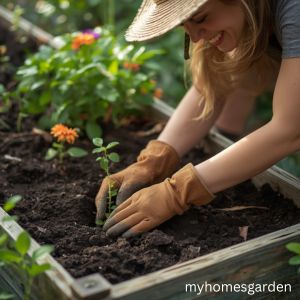
In addition, applying mulch whether straw, dried leaves, or a layer of compost helps retain soil moisture, suppress weeds, and enrich the soil.
Ultimately, thriving gardens are built on living, biologically active soil, and when you feed the soil, it will continue to feed your plants in return.
However, over-fertilizing is a common error. Applying fertilizer according to plant needs prevents nutrient burn.
Vegetable Garden for Beginners: Easy Crops to Grow
When starting out, it’s best to focus on easy, fast-growing vegetables that offer quick rewards and help build your confidence. Some of the best choices for beginners include tomatoes especially compact or cherry types for small spaces.
Fast-growing greens like lettuce and spinach, crunchy radishes that can be ready in just 3–4 weeks, productive green beans and versatile herbs such as basil, mint and parsley, which thrive in containers and offer continuous harvests.
Vigorous crops like cucumbers and zucchini also provide generous yields with minimal effort. As you plan, it’s wise to grow what you genuinely enjoy eating, since the most satisfying garden is one that fills your plate with your favorite ingredients.
You can also boost garden health and productivity through companion planting, such as pairing tomatoes with basil to repel pests, growing carrots alongside onions to deter insects, or planting marigolds to protect a variety of crops. A thoughtful mix not only improves yields but adds beauty and diversity to your garden.
These crops grow quickly and provide visible results, encouraging beginners to continue gardening.
Ideas For a Small Vegetable Gardening
Even limited spaces can support a productive vegetable garden. Here are practical small vegetable garden ideas. Even without a backyard, you can grow a surprising amount of fresh food by using creative gardening methods suited to small spaces.
Container gardening: allows you to use pots, window boxes, or hanging planters for herbs, lettuce, and cherry tomatoes, and lightweight containers can easily be moved to follow the sunlight throughout the day.
Vertical gardening: is another smart solution, making use of trellises, wall planters, or hanging baskets to grow crops like beans, cucumbers, and strawberries upward instead of outward.
Indoor gardening: is equally rewarding, with sufficient natural light or LED grow lights, you can cultivate herbs, microgreens, and even compact pepper varieties all year long.
The key is creativity and adjustability no space is too small to grow something green and delicious. For example, I successfully grow tomatoes and herbs in containers on a small rooftop.
How to Construct a Home Raised Garden Bed
Learning how to build a raised bed garden is beneficial for soil control and accessibility.
- An initial ground preparation, even if it is only 2 or 3 inches deep, is beneficial if the soil is compressed; do not rush this phase; wait until the dirt breaks apart easily.
- To build a raised mound, you’ll need to incorporate extra soil and/or organic matter. Evenly apply a 2- to 3-inch layer of organic matter across the ground surface. One cubic yard will cover approximately 162 square feet at a depth of 2 inches, so you will require about 6 to 7 cubic yards for every 1,000 square feet.
- Scooping out the pathway area, which is typically 14 to 16 inches wide, to a depth of 6 inches is an additional option. Add the removed soil to the top of the beds. Unless you use a composted material, a mixture that contains organic compost, or a commercially enriched planting mix, you will need to add additional nitrogen fertilizer. A soil test is recommended to ensure that there are enough nutrient levels.
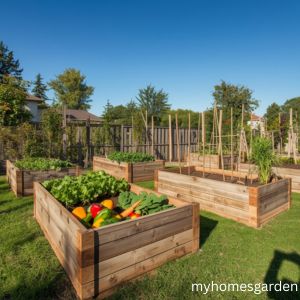
- To incorporate the soil, fertilizer, and organic materials, till the soil is about 6 inches deep. Spading achieves the same objective, but using a tiller makes the job less grueling and the results more uniform.
- This forms a soil and organic matter blend approximately 8 inches deep, which is adequate for proper root development in most vegetable crops. Once the raised section is leveled with a rake, the natural contour of the soil will result in about 36 inches of flat growing space across the top of the 48-inch-wide bed.
Raised Beds Gardens
Several vegetables perform exceptionally well in raised beds. Common vegetables to grow in raised beds are:
- Carrots
- Lettuce
- Tomatoe
- Pepper
- Cucumbers
- Onions
Raised beds provide loose soil, which helps root crops grow straight and healthy.
Watering and Maintenance
Consistent watering is vital for a thriving vegetable garden. Additionally, mulching helps retain soil moisture and reduces weeds.
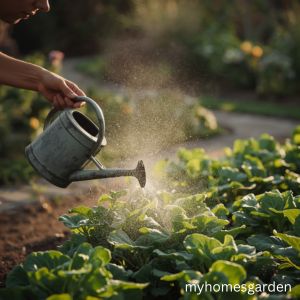
Routinely examine plants for pest control. Natural solutions such as neem oil can prevent infestations without harmful chemicals.
Conclusion
In conclusion, creating a vegetable garden is a rewarding and practical decision. By understanding how to start a vegetable garden, using the best soil for vegetable garden plants, and choosing the best fertilizer for vegetable garden growth, anyone can succeed. Additionally, following small vegetable garden ideas and avoiding common vegetable garden mistakes ensures better yields.
Whether you are building raised beds, selecting vegetables to grow in raised beds, or planning a vegetable garden for beginners, consistent care leads to healthy harvests. With proper planning and maintenance, your garden can become a sustainable source of fresh food for years to come.