
Essential Tomato Seedlings Cultivation Practices for Healthy and High Yields
A key component of effective vegetable production, particularly for tomatoes, peppers, eggplant, and other often transplanted crops, is raising healthy seedlings under proper nursery and home supervision. The purpose of this guide is to encourage the use of healthy tomato seedling preparation practices to increase production and to educate tomato growers with effective nursery and home management strategies for developing healthy tomato seedlings.
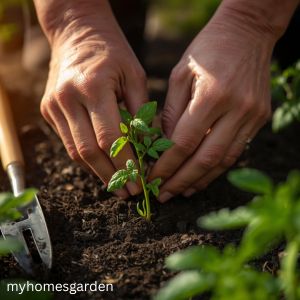
Understanding how to grow strong tomato seedlings and knowing when to transplant tomato seedlings are essential steps for gardeners who want productive plants and higher yields. Many growers also ask when is the best time to plant tomatoes so their seedlings can grow in the most favorable conditions.
Facilities for Homes and Nurseries
From basic shelters to complex greenhouses, tomato seedlings can be cultivated in a variety of settings. Every structure should shield seedlings from pests and diseases, high relative humidity, intense sunlight, low (≤ 5 °C) or high (≥ 35 °C) temperatures, and heavy rains.
To stop insect pests like aphids and whiteflies from spreading viruses to early tomato plants, fairly basic net-houses or net tunnels covered with 50–60 mesh nylon netting is strongly advised. 32-mesh netting will also keep many pests out if 50–60 mesh is unavailable.
It is preferable for tomato seeds to germinate in the dark. To improve seed germination, shade netting (50% light penetration) can be positioned within the net-house beneath the plastic sheet or used to cover the tunnels after sowing. To shield tomato seedlings from rain during the rainy season, the tunnels can be covered with plastic sheets.
Proper nursery management helps growers produce strong tomato seedlings, making it easier to decide when to transplant tomato seedlings into the garden.
Planting Varieties
The open-pollinated cultivars “Anahu,” “Healani,” and “Kewalo” and the hybrids “N-5,” “N-52,” “N-63,” and “N-65” were developed by UH-CTAHR horticulturists. These were found to be suited to a variety of growing environments across the state and evaluated for resistance to root-knot nematode and other tomato diseases.
If kept healthy, the hybrids’ indeterminate vines will continue to grow and provide fruit they should be clipped and trellised. The three nonhybrid varieties are determinate they typically flower and bear fruit in a comparatively short amount of time, and they grow to a particular height before stopping.
“Celebrity,” “Better Boy,” “Red Cherry,” and “Roma” are more varieties produced. Some may try cultivating “heirloom” tomato varietals that seed firms sell.
These are older cultivars that gardeners have kept alive due to some special quality, such taste, attractiveness, or pest resistance, although they might not thrive in conditions other than those in which they were created.
Choosing the right varieties also helps growers raise stronger tomato seedlings that will perform better after transplanting.
Soil Preparation: Amendments
Tomato plants thrive best in well-drained soil that is moderately acidic to neutral (pH 6.0 to 6.8) and has an enough amount of soil organic matter. To find out the pH of the soil and whether any soil supplements, such as phosphate, dolomite, or lime, are required, have the soil examined.
For new garden locations, a soil analysis is especially advised. A “standard” soil analysis is reasonably priced and may be performed by several businesses. It evaluates the pH of the soil as well as the amount of phosphorus, potassium, calcium, and magnesium that are available.
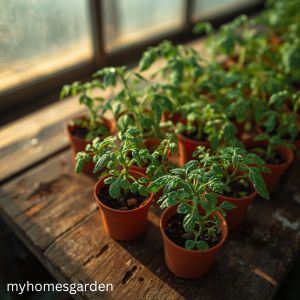
Healthy soil conditions help tomato seedlings develop strong roots and also support gardeners in determining when is the best time to plant tomatoes for successful growth.
Application of Fertilizer to The Bearing Crop
Apply the second dose of general fertilizer when the plants start to bloom, or start the smaller biweekly administrations for indeterminate types. Apply fertilizer 6–8 inches from the base of each plant, dividing the amount by the number of plants in a 100-101 square foot.
In order to prevent harm to the plant root system, some gardeners distribute the fertilizer on the soil’s surface, while others think it is ideal to use a trowel to mix it 2-4 inches into the soil in one or two areas.
Irrigation
When there is little to no rainfall, irrigate two or three times a week before fruit sets. Depending on rainfall, most soils and locations may require three to four weekly irrigations with strong soaking after the fruit set; container-grown plants should receive daily irrigation following the fruit set.
When administering water, try not to soak the plant to reduce leaf disease. If at all possible, use soaker hoses, drip lines, or furrows to water just the soil. In order to ensure that the plants dry rapidly as the day warms, if you are utilizing overhead (sprinkler) irrigation.
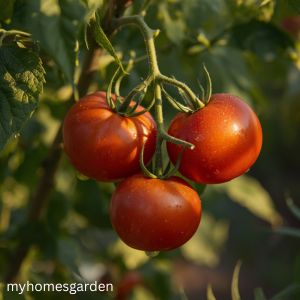
Fruits with blossom end rot may result from inadequate soil moisture or poor water uptake brought on by illness.
Good irrigation practices help maintain healthy tomato seedlings and prepare plants for the stage when to transplant tomato seedlings into the garden.
Management of Diseases
Diseases brought on by bacteria, fungi, viruses, and nematodes can affect tomato plants. Using cultivars that are tolerant or resistant to the diseases helps reduce issues. In warm, rainy weather, blights and fungal and bacterial leaf spots are widespread.
Avoid wetting the foliage by irrigating only the soil, if at all possible. Adding compost or manure to the soil will boost soil microbial activity and inhibit nematodes.
Controlling Insect Infestations
Leaf-miners and whiteflies are examples of insect pests. Whiteflies can be treated with insecticidal soap or removed with a powerful jet of water. Tiny wasps parasitize leaf-miners, which can be eliminated by using your fingernails to pinch through the leaf.
Tomato clusters can be protected from fruit fly infection by covering them with paper sacks or cloth bags (avoid using plastic bags), or by cutting row-cover fabric into strips and tying it around the clusters. Tomato plant leaves and stems can become infested with mites, thrips, and treehoppers.
When the plants are supported and the fruits are kept off the ground, slugs and snails are less likely to harm the fruits. Get an accurate pest identification and a control advice from an expert before applying pesticides to manage illnesses, insects, or other pests.
Make sure the pesticide is approved for the crop by reading the label, and then follow the instructions.
When Is the Ideal Time to Plant Tomatoes?
Hold off until the springtime weather has warmed up since tomatoes are long-season, heat-loving plants that cannot withstand frost. For information on when to start tomatoes in your area, see our Planting Calendar.
Gardeners often ask when is the best time to plant tomatoes because correct timing plays a major role in the success of their tomato seedlings.
| Region | Outdoor Planting Time
|
| States in the North | May – June |
| Midwest | Mid to Late May |
| States in the South | Late February to April |
| The Warmest Temperatures | Late April – March |
Sow indoors six weeks before to the latest anticipated date of spring frost in your region if you are starting tomatoes from the seed. In tiny trays, plant seeds 1/2 inch deep. About two weeks after that date, or when daytime and nighttime temperatures remain in the mid-50°F range, plant seedlings outside.
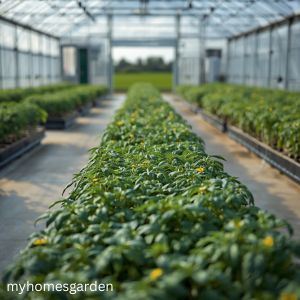
Direct-seeding tomatoes in the garden soil (1/2 inch thick) is another option if your growing season is long enough, but only if the soil is at least 55°F. Keep in mind that the ideal soil temperature for maximum germination within five days is 70°F.
Which is Better to Start Tomatoes Using Seeds or Seedlings?
Many home gardeners and farmers usually ask Should we grow tomatoes using seeds or seedlings?
Using Tomato Seedlings to Grow Tomatoes
Someone else starts the seeds and takes care of the seedlings for the first several weeks when you start your tomatoes from seedlings. It’s substantially less time-consuming and you don’t require seed starting tools or a designated room in your home.
The drawback is that there are often only few seedling kinds available at garden centers and big box stores. However, tiny local farms and farmers markets might have a greater selection of heirloom tomato seedlings.
Learning how to start seeds is preferable to taking on the additional duties of establishing an indoor seed starting area, and caring for indoor seedlings, I advise starting with seedlings and concentrating on learning when to transplant tomato seedlings and how to plant them properly if this is your first-year growing tomatoes.
Growing Tomatoes from Seed
It takes more effort, time, and money to start tomatoes from seed, but depending on your circumstances, it can be worthwhile even if this is your first year of gardening. Starting from seed could be your option if:
- It matters to you to grow particular or uncommon tomato types.
• You are positive that you will eventually desire a large garden, therefore you want to start learning how to grow from seed as soon as possible.
• Sustainability and self-sufficiency are the main reasons you want to plant.
• You already have some of the supplies, having produced a few simple flowers or veggies from seed.
• Purchasing everything from seedlings is too expensive if you want to grow a lot of tomatoes and/or other veggies.
Spacing Guidelines
Proper spacing promotes airflow, reduces disease risk, and maximizes yield.
| Tomato Type | Plant Spacing | Row Spacing |
| Determinate | 18–24 inches | 3–4 feet |
| Indeterminate | 24–37 inches | 3–5 feet
|
Conclusion
Understanding when is the best time to plant tomatoes and when to transplant tomato seedlings also helps ensure proper spacing and healthier plants.
Raising healthy tomato seedlings and giving them the proper conditions from the nursery stage until they are transplanted into the garden is the first step in effectively growing tomatoes. Strong plants and high yields are mostly dependent on proper nursery facilities, appropriate planting varieties, well-prepared soil, balanced fertilizer, and efficient watering. Additionally, controlling insect pests and illnesses helps keep plants safe during the growing season.
Tomato seedlings that are transplanted at the appropriate stage develop more vigorously and adapt better to outdoor settings, therefore knowing when to transplant tomato seedlings is equally crucial. Since moderate temperatures and frost-free conditions are necessary for good growth, gardeners should also consider seasonal weather trends when deciding when is the best time to plant tomatoes.
Growers may establish the perfect conditions for tomatoes to flourish by adhering to these growing techniques and keeping the right plant spacing. With proper care and attention to timing, tomato seedlings can grow into fruitful plants that yield an abundant and superior harvest.